Key Takeaways
- Choosing an omnichannel marketing automation platform is essential as teams now manage more channels than ever and need to deliver consistent, personalized experiences at scale.
- A strong platform should simplify workflows for non-technical teams, unify channels, support interactive content, and offer global reach and compliance.
- Many “omnichannel” tools fall short by supporting only SMS and email, making it difficult to expand into channels like WhatsApp, Instagram, or Messenger.
- Deep data capabilities are critical: real-time ingestion, segmentation, personalization, and connectivity with your existing systems.
- Vertical integration matters—platforms that own their infrastructure (like Bird) deliver better deliverability, lower costs, and more detailed insights.
- Rich templates, automated flows, and inbound/outbound messaging enable teams to scale messaging without growing headcount.
- Real-world results from companies like Matahari, ComparaOnline, and Urbanic demonstrate how omnichannel automation increases conversions, improves support, and expands reach.
- You know it’s time to switch platforms when your channels are fragmented, your data is siloed, your reach is limited, or your team is spending too much time manually coordinating campaigns.
Feeling overwhelmed by omnichannel marketing automation platforms? Our guide simplifies your search! Learn about key features and what questions to ask to find the best solution for your business.
Keeping up with customer communications—especially across an ever-expanding number of platforms—is time-consuming and, at first glance, may require a budget or headcount you simply don't have.
An omnichannel marketing automation platform provides a unified way to automate communication with your customers on all of their preferred channels without burdening your team. But in the crowded marketing automation platform space, it’s hard to figure out which is best for you.
In this guide, we pin down exactly what you should look for in a marketing automation platform—and why it might be time to make the switch.
First, let’s talk about why a strong omnichannel marketing automation platform can help your team.
Why omnichannel marketing automation?
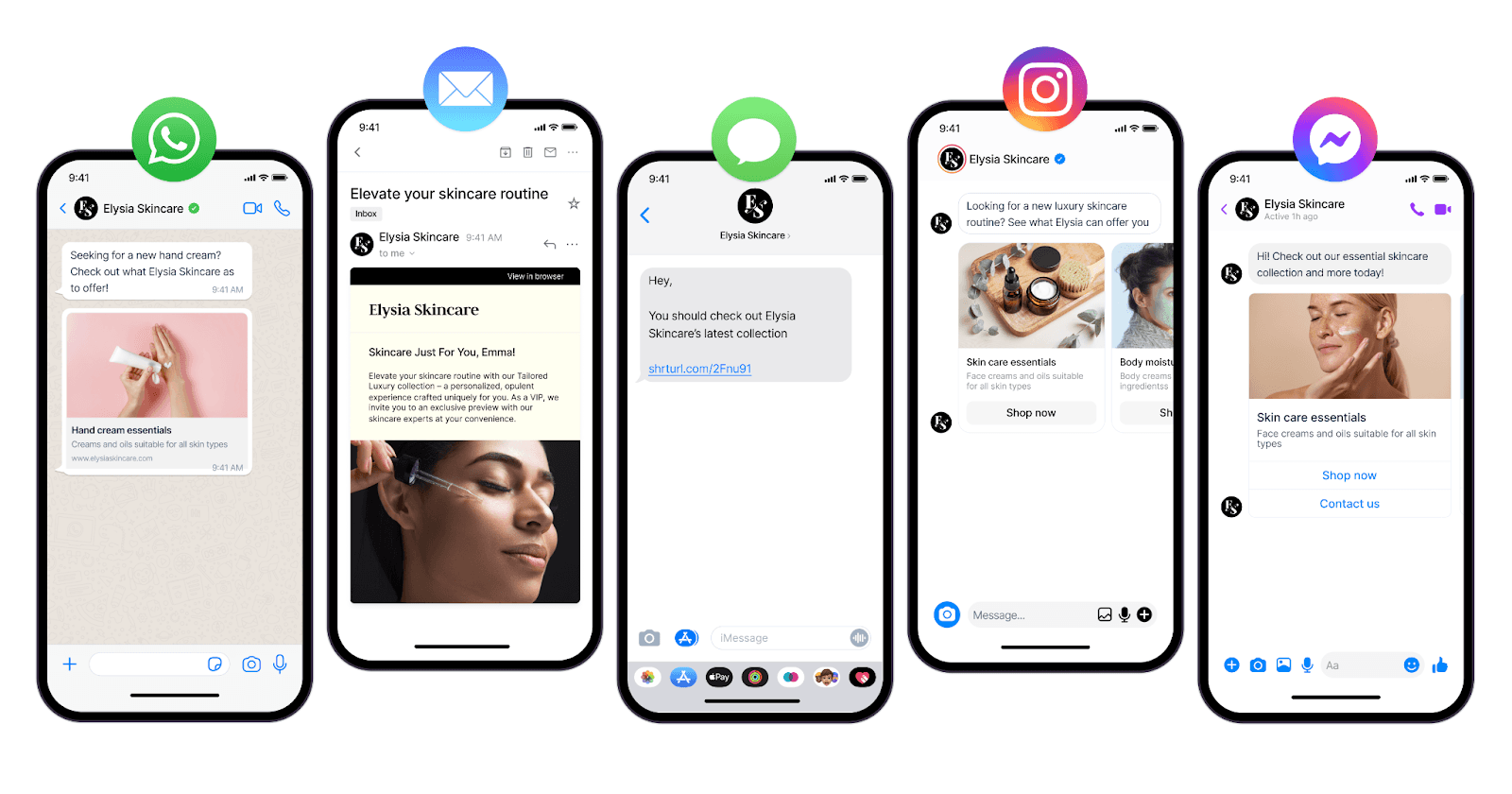
Over time, marketers have gone from only needing to master one or two channels to trying to provide outstanding, unified experiences across many channels.
In fact, today’s marketers usually engage their customers across three or more channels, making it a challenge to manually monitor activity and stay consistent in messaging and tactics. Teams also struggle to identify channels with the best return on investment (ROI)—and instead find themselves wasting budget on low-return channels.
Traditional marketing automation platforms have stepped in to help, but often they’re too technical, don’t have enough channel coverage, and aren’t compatible or extensible with existing tools. Instead of making the marketer’s job easier, many of these tools just cause added frustration.
Omnichannel marketing today requires a marketing automation solution that makes it easier to test new channels, access customer data, experiment with creative, and analyze results.
By adopting a strong omnichannel marketing platform, you can reach all your customers, engage with them on the channels they want, and share information between tools without needing direct interaction from your team 24/7.
7 Questions to consider when searching for your marketing automation platform
| Question | What It Evaluates | Why It Matters |
|---|---|---|
| Ease of use | Non-technical accessibility | Ensures the team actually adopts and uses the platform |
| Channel coverage | Ability to support preferred customer channels | Prevents gaps and enables scalable omnichannel growth |
| International reach | Global deliverability and compliance | Ensures messages land in key regions without failures |
| Template capabilities | Flexibility to create rich, reusable content | Improves brand consistency and reduces production time |
| Data handling | Real-time data ingestion and personalization | Enables segmentation, triggers, and higher conversions |
| Pricing model | Cost efficiency and infrastructure ownership | Reduces CAC and avoids hidden third-party fees |
| Vertical integration | Depth of control across the messaging stack | Improves performance, insights, and reliability |
At its core, marketing automation software is designed to streamline your team’s manual tasks and workflows. This helps save time for your team—and provides them with a wealth of data on customer behaviors and trends.
Whether you’re adopting a marketing automation platform for the first time or switching to a different one, here are six questions to remember while searching for the ideal tool.
1. Is the system easy to use for non-technical team members?
Let’s be honest. Every piece of software sounds perfect in marketing materials. Realistically though, it doesn’t matter how great any software features are if your teams can’t (or don’t) use them.
Here’s how to combat that:
- Gather team input on essential requirements versus nice-to-haves. Create a list of core features like detailed spend breakdowns, channel integration, or visual builders. These will save the most time for your team members, increasing buy-in and adoption.
- Identify specific workflows your team is hoping to automate. What steps are required to accomplish some of these routine, manual tasks? How much time does it take them? Then, check to ensure the software lets them quickly set up a simple automated flow as a solution.
- Pay close attention during demos and walkthroughs to make sure the software is easy to use. If it’s possible to get your hands on the tool itself for a trial run, that’s even better.
- Get access to documentation or tutorials. Many employees prefer self-serve support options like a knowledge base so they can get quick answers to their questions without needing to contact a help desk or support team. Look for platforms that offer an array of searchable tutorials or how-to guides.
Marketing automation shouldn’t burden your team members; it should free up their time to work on higher-value tasks.
2. Does your marketing platform let you tap into the channels that fit your target audience?
It’s unrealistic to be present on every channel on day one, but it’s critical to be present on the right channels. Many “omnichannel” providers only include access to SMS and email. But this leaves channels like WhatsApp (the most popular global messenger app worldwide), Facebook Messenger, and Instagram off the table.
Understanding your customers means knowing how they prefer to communicate and where. As you explore options, keep these tips in mind:
-
**Choose a platform that lets you experiment with new channels.
**If you invest in a platform that offers limited channels, it will be a much more expensive endeavor to migrate to a new platform down the road when you want to expand to new channels like WhatsApp and Instagram. Or, you might end up with a frustrating piecemeal situation—like having some channels that are automated and others you have to use manually, or using two platforms at the same time. Make sure the platform you originally choose appeals to the future state of your business. -
Examine your existing data—or collect new data via surveys—to discover channel preferences.
Do users check their email mid-afternoon? Are open rates higher when you send 1:1 communications in SMS or text? Make sure your chosen platform allows for more personalized outreach at just the right time to minimize opt-outs and maximize engagement to drive sales.
-
**Look for a platform that lets you make channel-specific content.
**A strong marketing automation platform lets you create rich, interactive content for each channel your audiences frequent. This helps you target your audiences more precisely and create higher engagement. Depending on the channel, you might opt for media formats like carousels, buttons, audio, and video. -
**Find a platform that offers inbound and outbound messaging.
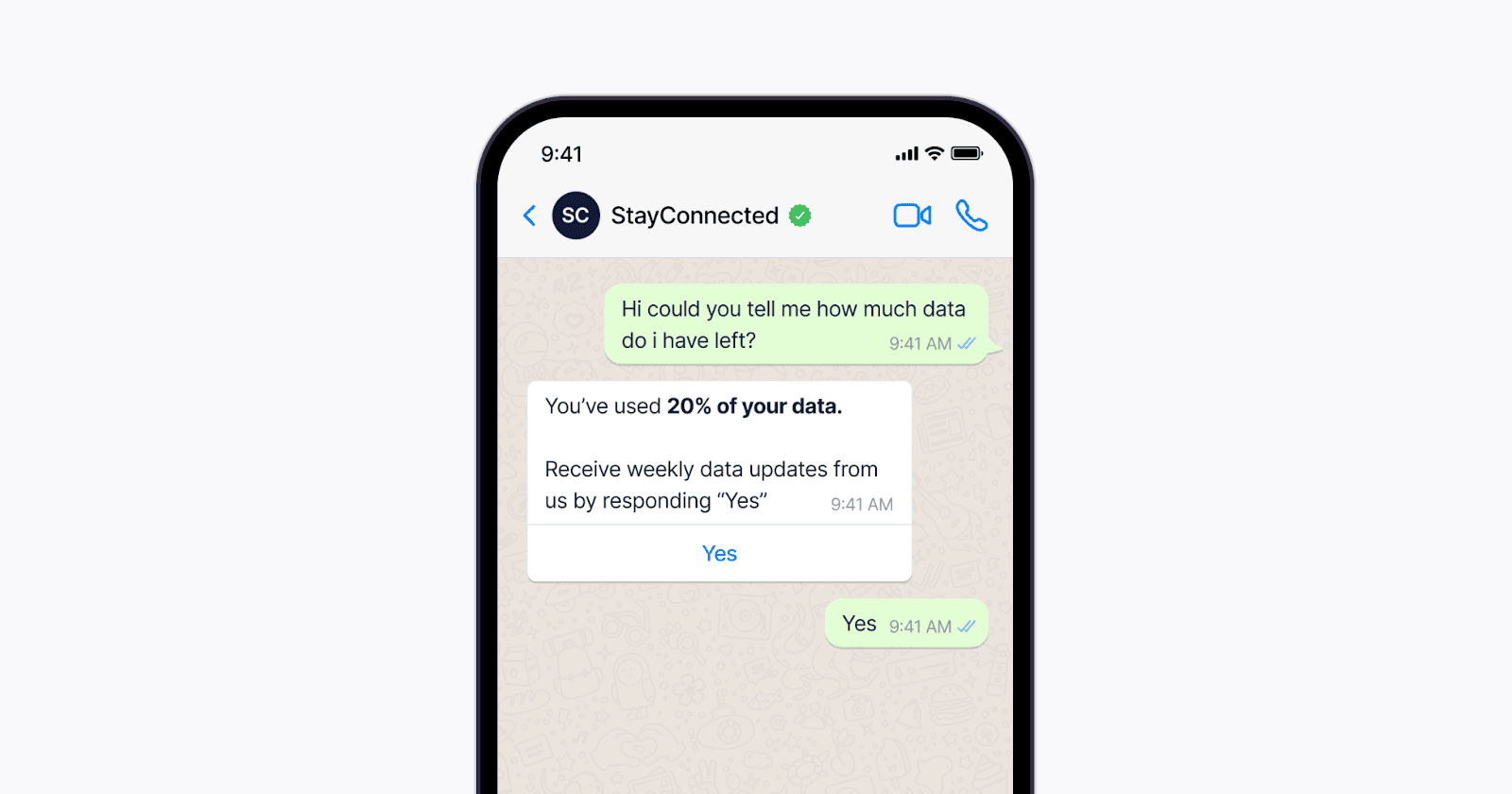
**Channels like WhatsApp let you engage in one-on-one conversations with customers. This creates a more personal experience—and ultimately leads to upsell and cross-sell opportunities. Just remember that it also requires a different product set, the need for chatbot automation, and the support of a team of agents.
Once you find a platform with the right capabilities and channels, it’s time to ensure that it has the flexibility to meet customers anywhere in the world.
3. Can the solution reach international or region-specific audiences?
If your company has any aspirations to engage international audiences, you need to choose an omnichannel platform that facilitates reach. This is especially true when it comes to SMS messaging, and with 98% of SMS messages being opened (and read), it can be a serious competitive edge.
Many countries are cracking down on SMS regulations due to spam and data privacy concerns. In addition, high-volume SMS sending is difficult for many marketing platforms, especially those that rely on third parties to deliver their messages. These challenges require a reputable provider with long-standing carrier relationships—one that understands international compliance and offers a strong infrastructure.
Omnichannel platforms also play a big role in ensuring you reach channels prevalent in your target markets, like Facebook Messenger in the United States or WhatsApp in Europe and Latin America. They also help you reach country-specific channels, such as the popular mobile messaging app KakaoTalk in South Korea.
When sending messages internationally, you need a platform that maintains an active relationship with all of the internet service providers (ISPs) and email providers like Gmail and Yahoo in those target markets. These companies constantly change the rules they use to filter out spam. But with an experienced, well-connected omnichannel platform, you ensure your emails don't go to the spam folder.
4. Will the platform let you create rich message templates that scale across channels?
Using customizable message templates creates a consistent, on-brand visual experience across your campaigns. Plus, it saves you time, eliminating the need for a back-and-forth design approval process before clicking send and allowing you to scale your message production.
When choosing a Marketing Automation Platform (MAP), find one that lets you:
- Customize templates without any coding knowledge
- Create templates for multiple communication channels, like email, SMS, Facebook Messenger, and WhatsApp
- Build rich media experiences to engage customers
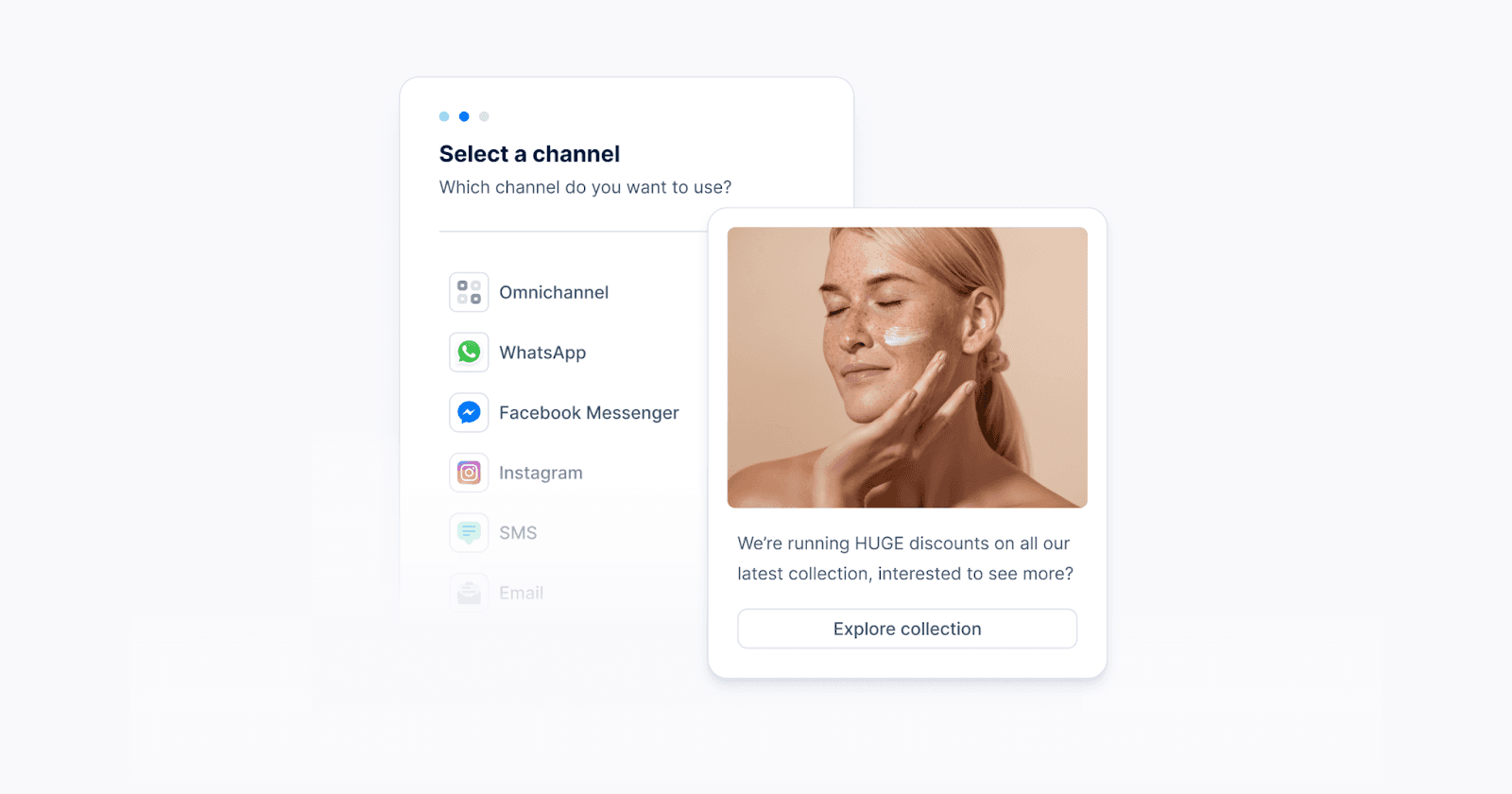
- Include interactive messaging features like quick reply buttons, link buttons, or carousel messages
Once you’ve found a tool that ticks all of these boxes for template creation, like Bird’s Marketing Cloud, it’s time to make sure it provides easy access to granular data insights.
5. How well does the platform handle customer data?
Keeping tabs on how your marketing campaigns are performing is half the battle. With access to a goldmine of real-time data, your team can quickly pivot away from weak campaigns and try new tactics to increase success rates.
When doing your research, look for a MAP that will:
- Absorb high volumes of data (purchases, web visits, actions, page views, etc.) in real-time. Look for a platform that will maintain reliability and performance as you scale.
- Offer an easy-to-use search feature for quick queries. Data is only useful if it's accessible.
- Let you trigger, segment, and personalize campaigns to create targeted messages for your customers.
- Connect all of the data sources you’re already using. For example, a platform should let you view past purchase behavior data—and use it to customize your campaigns.
- Let you customize content based on data. A platform should bring together customer data from diverse sources so you can personalize messages and determine who receives which messages and when.
With a flexible, reliable way to manage analytics, you can keep an eye on customer engagement and make strong data-driven decisions about campaigns.
6. Does the platform offer competitive pricing?
Many omnichannel platform providers rely on third-party services to send emails, SMS, and WhatsApp messages. This adds layers of cost, often resulting in a premium to pay on top of the core channel cost. Customers of those platforms will end up paying for:
- The channel cost (e.g., SMS delivery fee)
- Third-party processing fees
- The marketing platform's processing fee
Here's the Bird advantage: We own and operate our infrastructure, eliminating the need for expensive third-party involvement. This allows us to offer significantly lower message delivery costs compared to competitors. This translates into faster scaling, lower CAC, and ultimately, a higher return on your marketing investment.
7. Does it cover the entire vertical stack?
When it comes to software, “depth” matters. For example, software that only works on a surface layer (referred to as the application layer) will have different capabilities than one with a control layer.
In most cases, software is only an application layer that is “white labeling” the deeper functions of the system. For instance, an automation platform may claim to send emails, but the software isn’t actually doing the sending. Instead, it’s passing that information off to a separate system that completes that task.
If a software solution includes a control layer, it’s actually sending those emails itself. As a result, you get far more data on an individual user and a much higher degree of insight into campaign performance.
With a platform like this, you can track important behaviors such as responses, open rates, click-through rates, and much more. Each piece of information enables you to gain a higher level of insight into campaign performance and personalization—across channels.
The bottom line: Look for an omnichannel marketing automation solution with vertical integration across the platform.
You’ll gain a more granular understanding of your customers on a per-user level—meaning you’ll know who’s doing what, when, and in which channel. Then, you can use this data to provide messaging that actually resonates with prospects.
How businesses across industries are finding success with marketing automation
So how are successful businesses taking advantage of omnichannel platforms? We've gathered some real-life examples where companies saved time, boosted engagement, and increased conversions.
The beauty of marketing automation is that it allows you to send personalized promotions to each user on the platform they're most active on. When you tailor your promotions to fit their interests and preferences, they're more likely to see them as relevant and worth their time. And that can lead to increased engagement and higher conversion rates for your business.
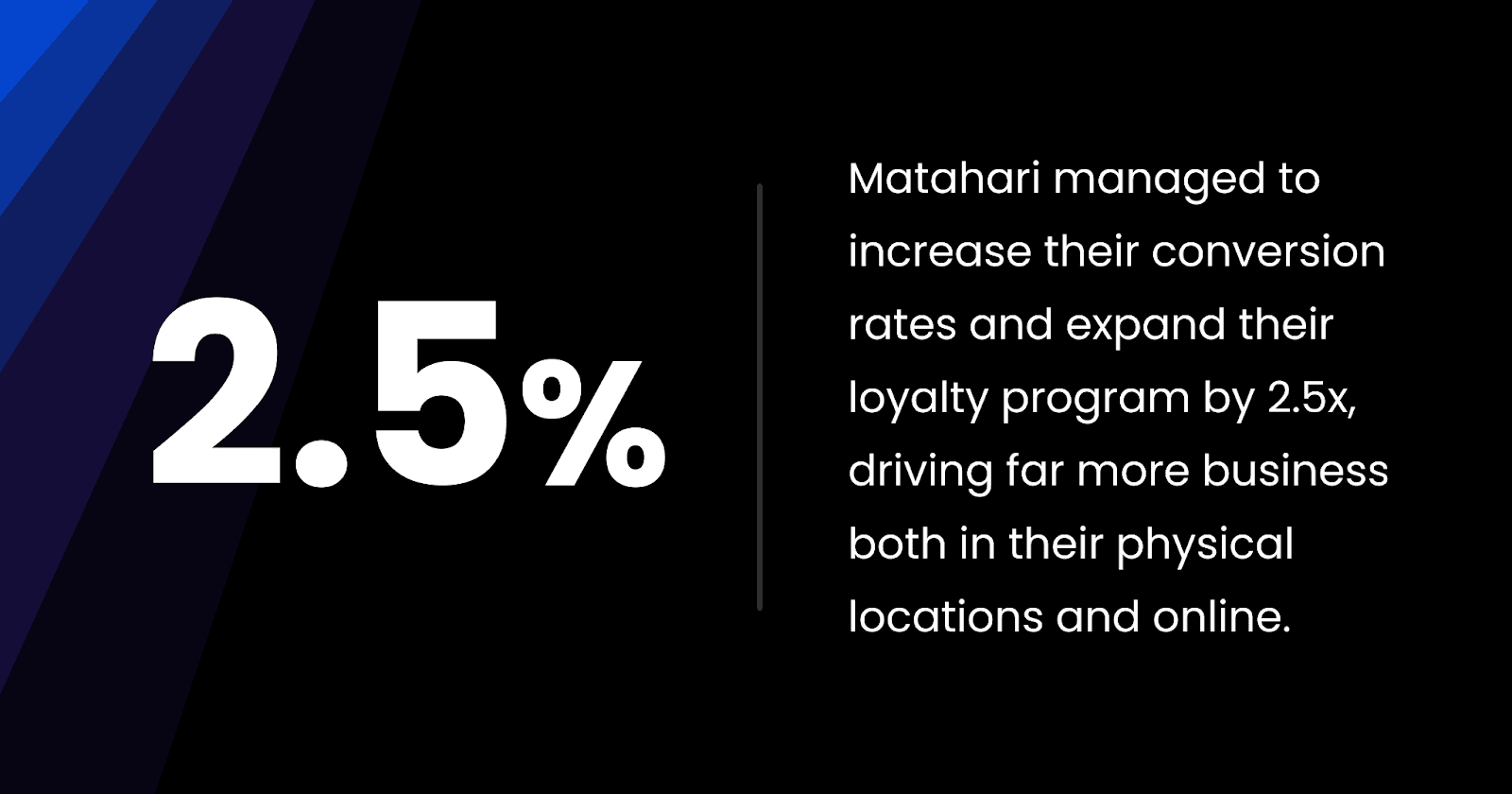
Indonesian retailer Matahari managed to 2.5x conversion rates and expand their loyalty program, driving far more business both in their physical locations and online. Matahari used Bird's Flows and WhatsApp API to run promotional campaigns that reached millions of customers and drove net new revenue. Sending marketing messages on WhatsApp also allowed customers to engage with campaigns, and chat with a sales agent for additional product info before making a purchase.
Insurance: ComparaOnline increases conversion rates by 18%
To gain a competitive edge in the insurance industry, companies need to engage audiences at precise stages of the buyer journey. According to McKinsey, “Personalization—or reaching customers with targeted messaging, offers, and pricing at just the right time—is the future of insurance marketing.”
ComparaOnline, a price comparison site for financial and insurance services in Latin America, turned to Bird Flows and Email Marketing to enhance the prospect experience. As the company generated leads that moved through the sales funnel, prospects encountered high friction at each step, mostly due to manual workflows.
By integrating their CRM with WhatsApp, their sales teams could efficiently reengage customers, recommend the right products based, and make conversations more personalized. Their more personalized interactions increased conversions by 18%.
Ecommerce: Urbanic boosts customer support with automated notifications
For businesses in the ecommerce space, it's important to choose a marketing automation platform that can serve as a one-stop-shop for all your tools. Urbanic, a popular retail brand, struggled to connect their mobile app store with their internal infrastructure.
Urbanic was trying to connect with customers across WhatsApp, email, SMS, and in-app chat without a central hub to monitor each conversation. Without a cohesive platform strategy, all these touchpoints can be more confusing than convenient.
With Bird’s easy-to-use interface and the ability to see each channel in a single console, the quality of customer support greatly improved.
“Our ability to proactively communicate important order and delivery information to customers has allowed us to reduce customer support tickets by 30%,” Krishna Gautam, Head of Customer Experience at Urbanic said. “Now, our customers are happier, and our support agents have more capacity.”
When should you switch to an omnichannel platform?
Many marketing teams have been given the dreaded instruction to “do more with less.” With an omnichannel marketing platform, that actually might be possible. But how do you know when it’s time to go shopping?
Here are five simple indicators:
- You have blind spots across the customer journey
- Your multi-channel approach is too time-consuming and difficult to monitor, which means you don’t have the insights to make data-driven decisions
- You can’t reach some customers because you’re not on the right channels in the right countries
- You have a presence on a few channels but anticipate breaking into new channels, audiences, and markets
- Your marketing strategies are disjointed and unbalanced across channels
Marketing automation helps smaller teams offer the same high-quality messaging and personal experiences as larger organizations—all without high headcounts or expensive tech stacks.
If you're looking for a marketing automation platform, it's worth considering one that offers true omnichannel support. It should work seamlessly with the networks your customers use, and it should be easy for your team to coordinate campaigns across channels.
Want to accelerate your marketing automation? Request a free demo of Bird today.
Q&A
What makes a platform truly “omnichannel”?
A true omnichannel platform supports many channels—not just email and SMS—and allows seamless communication across WhatsApp, Messenger, Instagram, region-specific channels, and more.
Why is ease of use so important in marketing automation?
If non-technical team members can’t use the tool, adoption stalls and automation never reaches its full potential.
How do I know which channels my customers prefer?
Check historical data, run surveys, and analyze engagement patterns to identify where customers are most active.
Why does international SMS require a strong infrastructure partner?
Global SMS depends on carrier relationships, deliverability rules, and compliance requirements—weak infrastructure leads to failed messages or spam filtering.
Why are rich templates valuable?
They let you scale messaging faster, stay on brand, and deliver interactive experiences without needing code or design support.
What data capabilities should a strong omnichannel platform include?
Real-time ingestion, segmentation, personalization, unified profiles, and connectivity to your CRM, ecommerce platform, and analytics tools.
Why does vertical integration lower costs?
Platforms that own their infrastructure avoid third-party fees and gain better control over deliverability, performance, and price.
When is it time to switch marketing automation tools?
When you have channel gaps, limited international reach, data blind spots, manual workflows, or plans to expand into new markets and channels.