Navigating the World of Omnichannel Marketing Automation: A Guide to Selecting the Perfect Tool
Omnichannel
Guide Takeaways
Choosing an omnichannel marketing automation platform is essential as teams now manage more channels than ever and need to deliver consistent, personalized experiences at scale.
A strong platform should simplify workflows for non-technical teams, unify channels, support interactive content, and offer global reach and compliance.
Many “omnichannel” tools fall short by supporting only SMS and email, making it difficult to expand into channels like WhatsApp, Instagram, or Messenger.
Deep data capabilities are critical: real-time ingestion, segmentation, personalization, and connectivity with your existing systems.
Vertical integration matters—platforms that own their infrastructure (like Bird) deliver better deliverability, lower costs, and more detailed insights.
Rich templates, automated flows, and inbound/outbound messaging enable teams to scale messaging without growing headcount.
Real-world results from companies like Matahari, ComparaOnline, and Urbanic demonstrate how omnichannel automation increases conversions, improves support, and expands reach.
You know it’s time to switch platforms when your channels are fragmented, your data is siloed, your reach is limited, or your team is spending too much time manually coordinating campaigns.
Q&A Highlights
What makes a platform truly “omnichannel”?
A true omnichannel platform supports many channels—not just email and SMS—and allows seamless communication across WhatsApp, Messenger, Instagram, region-specific channels, and more.
Why is ease of use so important in marketing automation?
If non-technical team members can’t use the tool, adoption stalls and automation never reaches its full potential.
How do I know which channels my customers prefer?
Check historical data, run surveys, and analyze engagement patterns to identify where customers are most active.
Why does international SMS require a strong infrastructure partner?
Global SMS depends on carrier relationships, deliverability rules, and compliance requirements—weak infrastructure leads to failed messages or spam filtering.
Why are rich templates valuable?
They let you scale messaging faster, stay on brand, and deliver interactive experiences without needing code or design support.
What data capabilities should a strong omnichannel platform include?
Real-time ingestion, segmentation, personalization, unified profiles, and connectivity to your CRM, ecommerce platform, and analytics tools.
Why does vertical integration lower costs?
Platforms that own their infrastructure avoid third-party fees and gain better control over deliverability, performance, and price.
When is it time to switch marketing automation tools?
When you have channel gaps, limited international reach, data blind spots, manual workflows, or plans to expand into new markets and channels.
Feeling overwhelmed by omnichannel marketing automation platforms? Our guide simplifies your search! Learn about key features and what questions to ask to find the best solution for your business.
Keeping up with customer communications—especially across an ever-expanding number of platforms—is time-consuming and, at first glance, may require a budget or headcount you simply don't have.
An omnichannel marketing automation platform provides a unified way to automate communication with your customers on all of their preferred channels without burdening your team. But in the crowded marketing automation platform space, it’s hard to figure out which is best for you.
In this guide, we pin down exactly what you should look for in a marketing automation platform—and why it might be time to make the switch.
First, let’s talk about why a strong omnichannel marketing automation platform can help your team.

Over time, marketers have gone from only needing to master one or two channels to trying to provide outstanding, unified experiences across many channels.
In fact, today’s marketers usually engage their customers across three or more channels, making it a challenge to manually monitor activity and stay consistent in messaging and tactics. Teams also struggle to identify channels with the best return on investment (ROI)—and instead find themselves wasting budget on low-return channels.
Traditional marketing automation platforms have stepped in to help, but often they’re too technical, don’t have enough channel coverage, and aren’t compatible or extensible with existing tools. Instead of making the marketer’s job easier, many of these tools just cause added frustration.
Omnichannel marketing today requires a marketing automation solution that makes it easier to test new channels, access customer data, experiment with creative, and analyze results.
By adopting a strong omnichannel marketing platform, you can reach all your customers, engage with them on the channels they want, and share information between tools without needing direct interaction from your team 24/7.

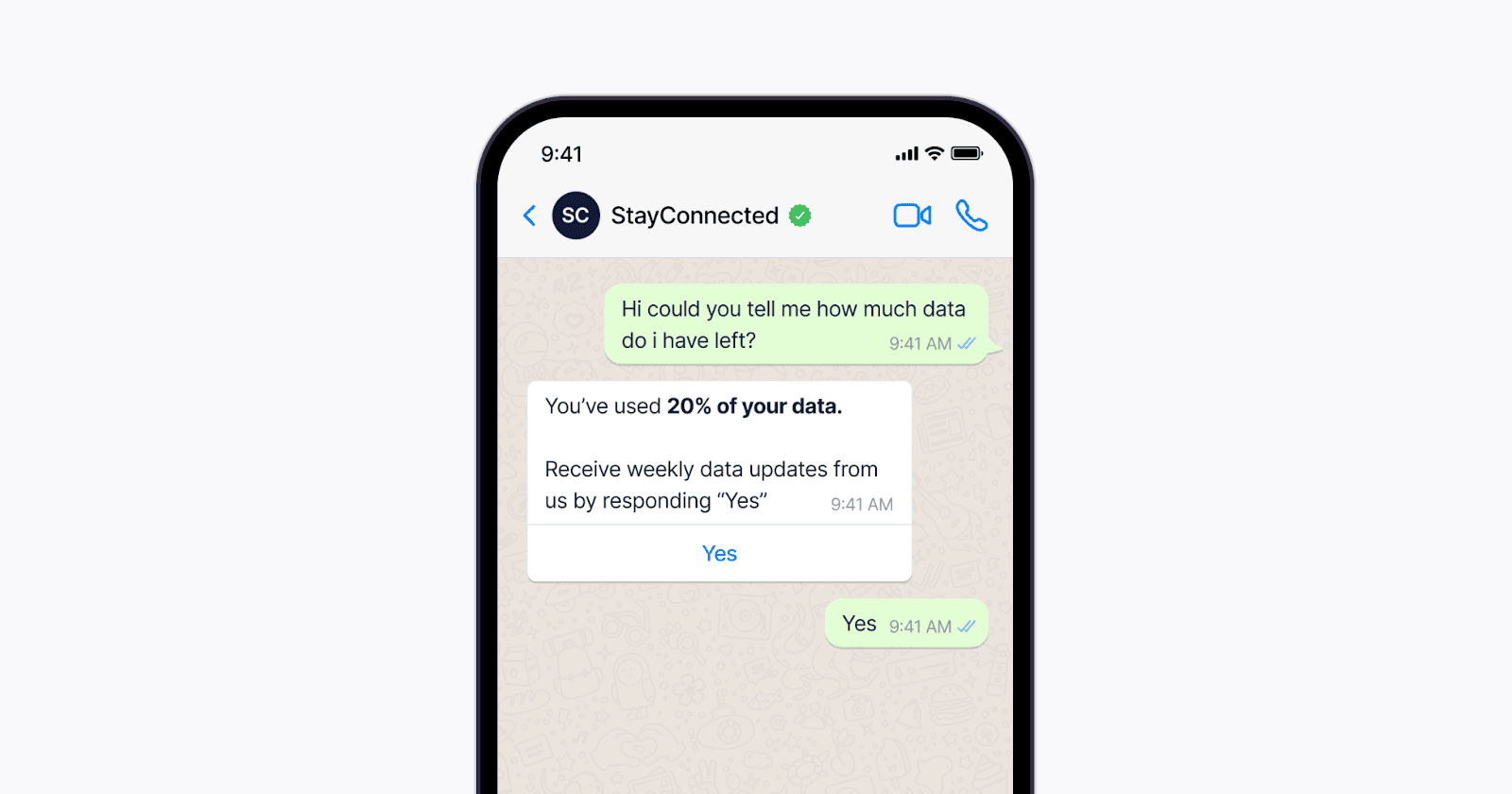
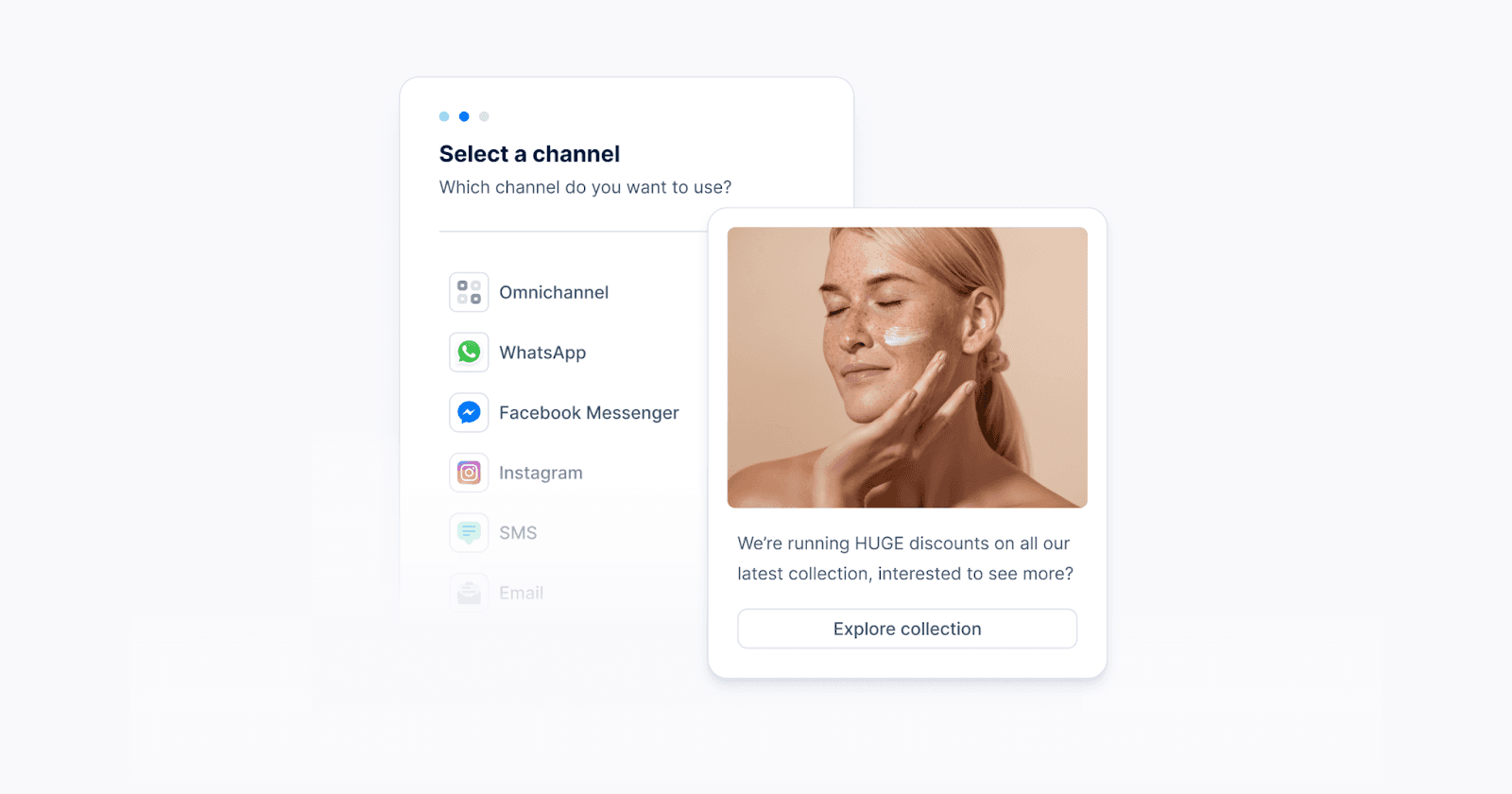

Many marketing teams have been given the dreaded instruction to “do more with less.” With an omnichannel marketing platform, that actually might be possible. But how do you know when it’s time to go shopping?
Here are five simple indicators:
You have blind spots across the customer journey
Your multi-channel approach is too time-consuming and difficult to monitor, which means you don’t have the insights to make data-driven decisions
You can’t reach some customers because you’re not on the right channels in the right countries
You have a presence on a few channels but anticipate breaking into new channels, audiences, and markets
Your marketing strategies are disjointed and unbalanced across channels
Marketing automation helps smaller teams offer the same high-quality messaging and personal experiences as larger organizations—all without high headcounts or expensive tech stacks.
If you're looking for a marketing automation platform, it's worth considering one that offers true omnichannel support. It should work seamlessly with the networks your customers use, and it should be easy for your team to coordinate campaigns across channels.
Want to accelerate your marketing automation? Request a free demo of Bird today.