
Key Takeaways
- Understand how IP addresses impact email deliverability
- Learn the differences between shared and dedicated IPs
- Know when to choose each type depending on your sending volume
- Avoid common deliverability mistakes and protect your sender reputation
- Improve inboxing through better authentication, HTML hygiene, and clearer unsubscribes
Creating a dedicated IP address is easier said than done. Here’s how to set up the right IP pool to serve your company’s email needs.
Email marketers would love to be judged solely by the content of their emails. Unfortunately, that’s not how it works.
Internet service providers (ISPs) look at all kinds of information when choosing whether incoming emails should be routed to a user’s primary inbox, filtered to spam, or blocked from delivery. One of the first data points they scrutinize? Your email’s Internet Protocol (IP) address.
If you’re in the early stages of building an email program at your company, or you’re using an inherited IP address by default, you might not realize that ISPs check the reputation of this address (among other things like email content, authentication, and engagement metrics) when deciding if you’re a trustworthy sender. If your IP has a bad reputation (or no reputation at all), your emails face a much higher risk of getting marked as spam or rejected altogether.
The good news? Your business can control its reputation by choosing a shared IP pool with a strong reputation—or, for even better control, you can create your own dedicated IP exclusively used by your business.
The not-so-good news? Choosing the right IP pool is complicated, and managing a dedicated address comes with its challenges, especially without the right know-how.
If you’re still getting up to speed on the nuances of email marketing, consider checking out Bird Academy’s Email Deliverability course for a high-level introduction to important email concepts.
Otherwise, let’s dig into the differences between shared and dedicated IPs to help you choose the best course of action for your business.
Why use a shared IP pool?
A shared IP pool is a group of IP addresses used by multiple email senders on the same server. Pools typically group companies with shared characteristics, such as their industry or size. Depending on the size of the pool and its member companies, a single pool could contain hundreds of different email clients.
Most email programs start with a shared IP pool. For emailers with a low sending volume (typically less than 100,000 emails per month), shared IPs are a more cost- and resource-efficient way to set up a pool that is optimized for deliverability.
“Especially when it's smaller senders, like schools that send newsletters, for instance, the school could be tiny—but in that shared pool, there are hundreds of other school districts,” says Tony Patti, Deliverability Services Director at Bird. “The ISP’s filters know there should be nothing but educational content coming through, so if all of a sudden the filters see an ad for weight loss drugs, they’ll know something's fishy.”
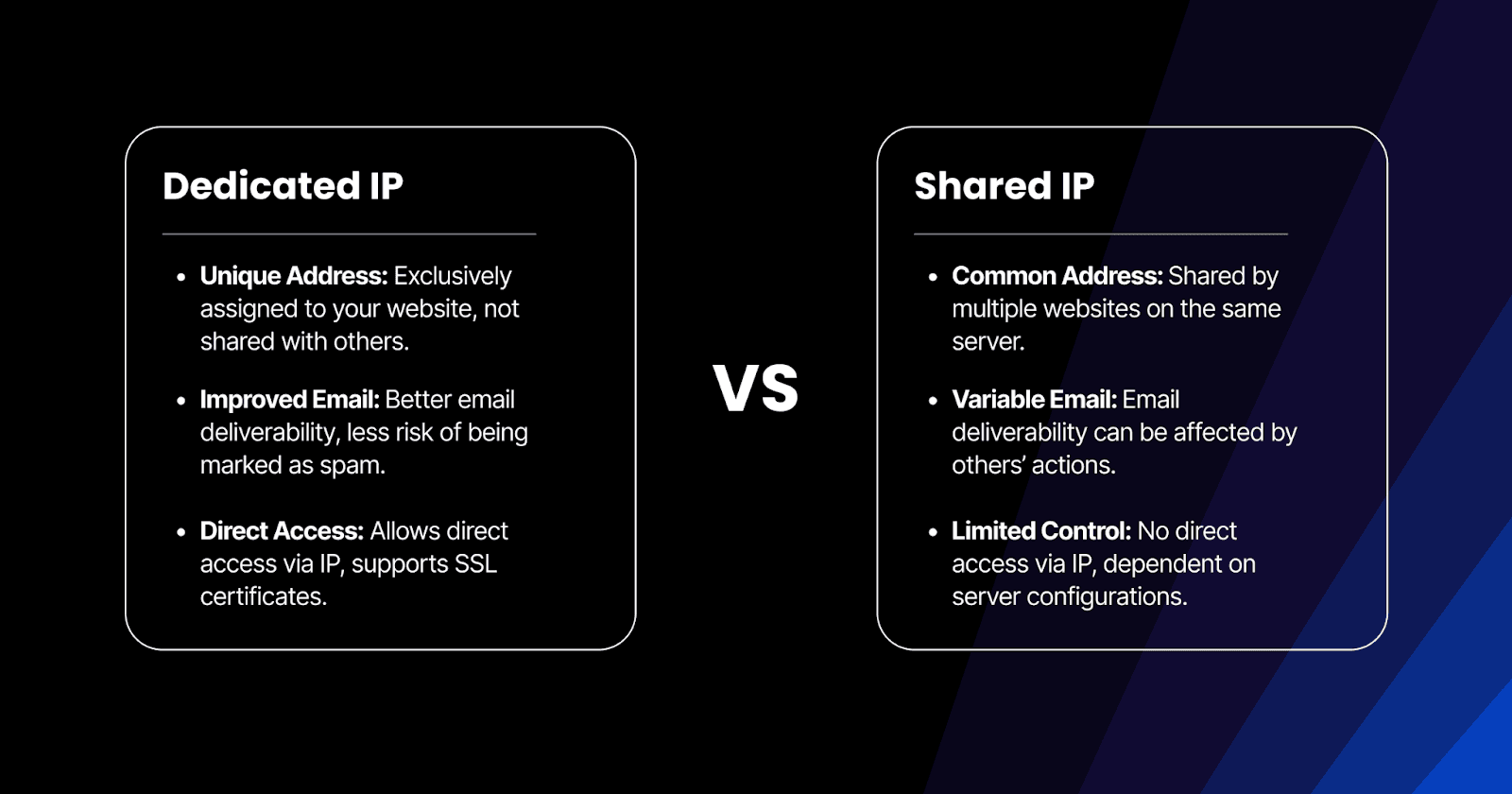
| Type | What it means | Pros | Cons |
|---|---|---|---|
| Shared IP Pool | Multiple senders share the same IP addresses | Cheaper, easier setup, inherits existing reputation, stable volume helps deliverability | Other senders can harm your reputation, mixed industries can cause filtering issues |
| Dedicated IP | One sender uses a single exclusive IP | Full control, stable reputation, predictable deliverability, ideal for high-volume | Requires warm-up, more costly, bad practices directly damage your own IP reputation |
Other benefits of using shared IP pools include the following:
- A shared pool is cheaper than a dedicated IP. With a shared pool, you only pay for your allotment and enjoy the convenience of outsourcing the pool’s management to an email service provider (ESP).
- The combined sending volume of a shared pool can improve your overall email deliverability. ISPs can get spooked by a sudden surge in email sending volume. For low-volume email senders, inconsistent email blasts increase the scrutiny of your messages. Since many different companies use a shared IP pool, though, sending volumes will likely be more consistent, which lowers the risk of getting flagged for suspicious activity.
- Your business benefits from an established IP reputation. Building a strong IP reputation independently takes time (more on that later). By joining a shared pool, even brand-new email programs benefit from an established IP reputation that makes it easier to deliver messages to the primary inbox.
The risk of shared pools: Other senders can hurt your reputation
In the wrong environment, a shared IP reputation can be a double-edged sword. Bad actors within your shared pool can take advantage of a strong IP reputation to sneak spam past ISP filters.
Spammers and scammers favor shared pools for their anonymity, particularly as they distribute spam across many IPs to keep the email volume low for each one.
Eventually, though, they’ll get caught—and when they do, everyone in the shared pool could suffer a hit to their email deliverability.
But it’s not only bad actors that can impact deliverability through shared pools. If senders within a pool are sending very different types of emails, such as for specific industries like financial services or healthcare, it can create deliverability challenges even when all companies in the pool are trying to follow email best practices. A finance company, for example, could face challenges when trying to send out emails from a shared pool dedicated to healthcare companies.
“If those emails aren’t sent through a highly controlled shared pool focused on the unique sending patterns or regulatory requirements of their industry, that sender could experience deliverability issues,” Tony says.
Otherwise, the PDF attachments may be identified as suspicious activity, jeopardizing the delivery of this important consumer information and other emails in that shared pool.
Better control, easier management: The many benefits of a dedicated IP address
Fully optimized deliverability is an ongoing process between email service providers and their customers. But email marketers can score some easy deliverability wins, by addressing the simple mistakes that may be impacting your inboxing rate.
Here are three ways to improve deliverability today:
Fully optimized deliverability is an ongoing process between email service providers and their customers. But email marketers can score some easy deliverability wins, by addressing the simple mistakes that may be impacting your inboxing rate.
Here are three ways to improve deliverability today
1. Set up an SPF, DKIM, or DMARC record
Email services use SPF, DKIM, and DMARC authentication protocols to verify the legitimacy and integrity of the email message through encryption and certificates. Missing authentication records can result in your emails getting sent to spam or flagged as a security risk. Google offers some easy-to-follow guidelines on how to properly set up these records for your domains.
2. Check your email HTML for formatting errors
HTML formatting errors can impact the appearance and readability of your emails. Beyond this degraded user experience, though, these errors can also threaten deliverability.
Fortunately, missing closing tags and other coding errors are easy to fix, and they will instantly improve your email deliverability potential. Several tools are designed to identify these HTML errors, including Google’s Schema Markup Validator.
3. Add one-click unsubscribe to every email
As mentioned above, leaving one-click unsubscribe buttons out of your emails is one of the biggest red flags for email service algorithms that are crawling incoming mail for spam. A simple one-click unsubscribe button in each email will satisfy their requirements and preserve deliverability.
The video Buying a dedicated IP shows what buying and warming one looks like in Bird.
Why does IP address reputation matter?
MBPs like Gmail and Yahoo want to deliver the best email experience possible for their users. Enhanced spam filtering is a cornerstone of that experience, reducing clutter in user inboxes while protecting consumers from malware, scams, and other security threats.
Given that ISPs scrutinize IP reputations to identify possible spam, companies must seize every opportunity to prevent their emails from being labeled as spam. The more suspicious your emails appear to ISPs, the greater the risk to your email deliverability.
A bad IP address reputation can lead to challenging consequences: If you’re marked as spam by a major threat intelligence company like Spamhaus, for example, you’ll need to take corrective actions to get your IP address off of the blocklist.
The definition of email “spam” has evolved in recent years
While companies invest resources into cultivating their IP address reputation and optimizing deliverability, it’s crucial to distinguish the legal definition of spam from how today’s consumers perceive it.
As Tony points out, the CAN-SPAM Act enforced by the FCC defines spam as email that consumers did not sign up to receive. This includes emails that were sent to addresses that may have been scraped or stolen from another list or online location.
“Now, the definition of spam is ‘any email that I don’t want anymore,’” Tony says. “That’s what the ISPs honor.”
Also, ISPs sometimes ignore whether people signed up for emails before they mark them as spam. If consumers don’t like your emails—or if they start to become annoyed with your messages—they’re more likely to mark those messages as spam. A single disgruntled subscriber won’t impact your deliverability, but if complaints start to pile up, the ISP could take action.
“All of a sudden, you'll have a deliverability problem,” Tony says. “Customers will say, ‘We didn't change anything. We don't know what happened.’ Even without changes on your part, continually evolving AI algorithms may affect email sorting…and it’s reached a point where certain types of email are automatically going to the bulk folder.”
A final piece of advice for building a healthy email program
Whether you’re running a low-volume email program on a shared IP pool or a high-volume program with a dedicated IP, there’s one piece of advice to remember:
Patience pays off in the long run.
It’s natural to want to move quickly with your email marketing strategy—especially if you’re feeling pressure from executive leadership to deliver immediate results. But prioritizing speed over careful development can result in errors that permanently damage your IP reputation. In the case of a dedicated IP, aggressive emailing without warming up your address can be particularly harmful to your email deliverability, digging a deep reputational hole for your company.
Another tip while we're talking about patience: choose your email subdomains carefully to keep them different from your main corporate domains. If something does go wrong with your email marketing’s IP reputation, you don’t want those promotional complications to affect your day-to-day operations.
“If you’re a single subdomain and you send a promotional email to a list of one million recipients, and that email blast goes badly, you run the risk of your CEO not being able to get their corporate mail delivered,” Tony says. “Just separate those pools of traffic. Put some thought into your subdomain naming convention, and stick with it.”
The fate of your company's email reputation is in your hands
If you send lots of emails and care about your reputation, working with an email service provider to get a dedicated IP can really help your deliverability.
Bird’s team offers decades of experience warming up dedicated IPs for high-volume senders and helping them achieve inboxing rates of 95% or better. Our comprehensive migration process uses email auditing, audience segmentation, testing and validation, and a documented warm-up strategy to set our customers up for success.
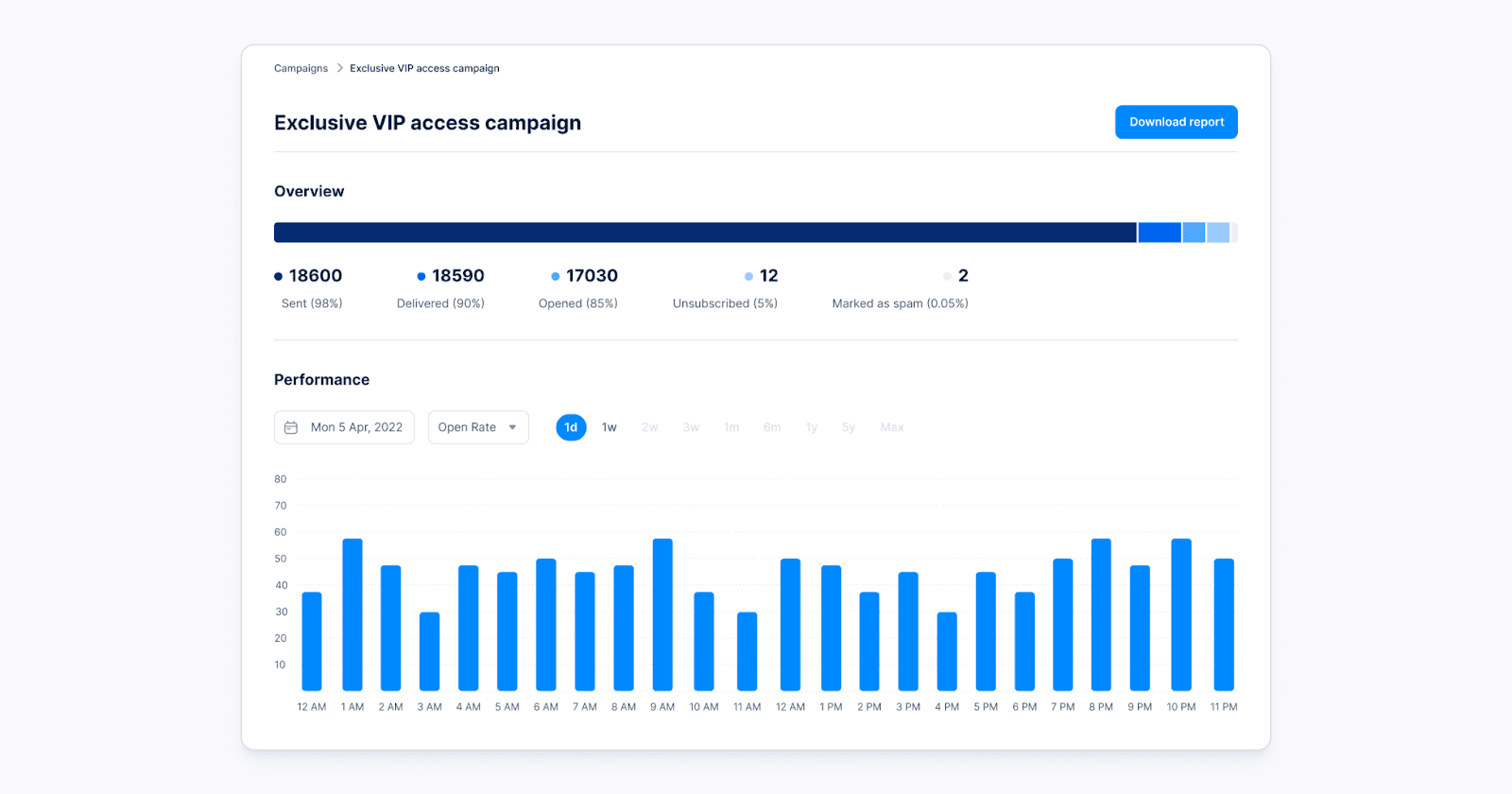
With full ownership of your IP reputation, your business can achieve significant increases in deliverability, potentially driving substantial revenue gains.
Learn how Bird can assist your business in transitioning to a dedicated IP—book a demo today.
Q&A
What is an IP address in email marketing?
It’s the address your emails are sent from. ISPs check its reputation to decide whether you’re a trustworthy sender.
When should I use a shared IP pool?
If you send fewer than ~100k emails per month or want low-cost, low-maintenance deliverability.
What are the risks of shared IPs?
Other senders can harm the shared reputation, causing inboxing issues even if you follow best practices.
When is a dedicated IP the better option?
When you send high volumes and want full control over your sender reputation and deliverability.
Why is warming up a dedicated IP important?
ISPs distrust sudden spikes in volume. Warming builds a positive sending reputation gradually.
How do SPF, DKIM, and DMARC help?
They authenticate your mail and show ISPs your emails are legitimate and not spoofed.
What affects deliverability besides IP reputation?
HTML errors, spammy content, lack of unsubscribes, sending frequency, and user complaints.
Why keep marketing and corporate email separate?
If marketing gets blocklisted, it won’t impact leadership or internal mail.