立即降低您的短信营销成本的8种方法
市场营销
·
2025年11月12日
Guide Takeaways
短信成本通常由于投递不佳、经销商加价和隐藏费用而膨胀,而不是由于消息传递价值的增加。
低投递率直接增加客户获取成本(CAC)并降低投资回报率(ROI)——100% 和 80% 投递率之间的差异可以显著增加成本。
诸如发件人 ID 更改、路由延迟和欺诈等低效行为降低了客户体验和信任。
监管不合规、消息延迟和欺诈可以显著增加财务风险。
切换到直连运营商可以提高透明度、速度和可靠性,同时减少浪费。
使用 HLR 查询清理您的联系人列表可以立即减少在无效号码上的支出并降低欺诈风险。
创建全渠道工作流程可以增强 SMS、电子邮件、WhatsApp 和其他渠道的表现。
更好的消息构建(更短的文本、更好的时机、基于工具的优化)可以减少成本和工作量。
Q&A 精华
为什么SMS成本会增加,即使信息量没有?
因为糟糕的可达性、隐藏的供应商加价以及聚合器效率低下导致总支出膨胀。
送达率如何影响CAC?
如果投递率从 ~100% 下降到 80%,每次获取成本会上升,因为更少的消息到达真实用户。
在SMS中最大的隐藏成本是什么?
供应商加价通过聚合商链层叠在运营商费用之上。
我如何快速减少浪费的SMS支出?
使用 HLR 查询移除无效号码并切换至直接运营商提供商。
消息延迟带来什么风险?
过期的OTPs、错过的闪购、垃圾邮件嫌疑,以及客户降低的信任。
直接运营商提供商如何帮助?
它提高了可投递性,减少了中间环节,增加了透明度,并防止欺诈。
为什么将SMS消息保持在160个字符以内?
消息被分成多个部分,成本翻倍或三倍。
如何通过全渠道消息减少SMS费用?
通过将不同的用例路由到更具成本效益的渠道,如WhatsApp或电子邮件,同时集中数据和自动化。
不断上升的短信费用可能正在侵蚀您的通讯预算。请继续阅读一些简单快捷的节省成本的小贴士。
不断上涨的短信成本往往不反映您的信息策略的增加价值。相反,这些成本是由于投递率低、转售商收取的佣金以及服务提供商带来的其他低效因素而推高的。
考虑一个场景,您的公司平均用户获取成本(CAC)是200美元。如果您的短信服务提供商提供接近100%的投递率,那么这个200美元的数字可能会保持不变。
但是,当投递率降到80%时会发生什么?如果您正在使用短信批发聚合器,这种可能的结果非常现实。它将以高昂的代价来临,将您的CAC推高至大约240美元。
这个修正后的数字仅仅基于糟糕的投递率。如果您正在处理如此低的投递率,很可能还会有其他低效问题拖累您的信息投资回报率。
这些成本既不可持续也没有必要。如果您担心当前短信策略的高昂价格,您可以采取一些步骤来迅速削减开支,同时增加这一客户参与策略的价值。
到本指南结束时,您将了解:
您短信策略中低效的真实成本
立即降低短信成本的步骤
如何编写更好的信息以提高信息性能和投资回报率
减少短信营销成本的8种方法
方法 | 解决的问题 | 为何降低成本 | 实际成果 |
|---|---|---|---|
透明定价(无短信加价) | 避免隐藏费用,转售商佣金 | 去除膨胀的每条信息成本 | 在美国市场节省高达90% |
直接到运营商提供商 | 消除聚合链 | 更好的投递率,减少失败 | 更少的支出传递更多的信息 |
全渠道消息平台 | SMS + 邮件 + WhatsApp + Messenger | 数据共享 → 减少浪费发送 | 每条信息更高的投资回报率 |
通过HLR查找清理列表 | 去除无效和回收的号码 | 阻止发送不可投递的短信 | 降低欺诈风险和减少反弹消息 |
计划国际价格 | 考虑国家级成本差异 | 避免投资回报低的高成本市场 | 相同预算下达到更广的范围 |
保持信息在160字符以下 | 防止多部分信息 | 分段时降低信息成本2× | 每个活动的成本更低 |
使用工具(URL缩短器,自动化) | 优化信息长度+工作流 | 在每条短信中容纳更多价值 | 更高的点击率而无需额外的成本 |
优化发送时间 | 避免低互动时间段 | 更好的参与 → 减少浪费的信息 | 每条短信更多的转化 |
不断上涨的短信成本往往不反映您的信息策略的增加价值。相反,这些成本是由于投递率低、转售商收取的佣金以及服务提供商带来的其他低效因素而推高的。
考虑一个场景,您的公司平均用户获取成本(CAC)是200美元。如果您的短信服务提供商提供接近100%的投递率,那么这个200美元的数字可能会保持不变。
但是,当投递率降到80%时会发生什么?如果您正在使用短信批发聚合器,这种可能的结果非常现实。它将以高昂的代价来临,将您的CAC推高至大约240美元。
这个修正后的数字仅仅基于糟糕的投递率。如果您正在处理如此低的投递率,很可能还会有其他低效问题拖累您的信息投资回报率。
这些成本既不可持续也没有必要。如果您担心当前短信策略的高昂价格,您可以采取一些步骤来迅速削减开支,同时增加这一客户参与策略的价值。
到本指南结束时,您将了解:
您短信策略中低效的真实成本
立即降低短信成本的步骤
如何编写更好的信息以提高信息性能和投资回报率
减少短信营销成本的8种方法
方法 | 解决的问题 | 为何降低成本 | 实际成果 |
|---|---|---|---|
透明定价(无短信加价) | 避免隐藏费用,转售商佣金 | 去除膨胀的每条信息成本 | 在美国市场节省高达90% |
直接到运营商提供商 | 消除聚合链 | 更好的投递率,减少失败 | 更少的支出传递更多的信息 |
全渠道消息平台 | SMS + 邮件 + WhatsApp + Messenger | 数据共享 → 减少浪费发送 | 每条信息更高的投资回报率 |
通过HLR查找清理列表 | 去除无效和回收的号码 | 阻止发送不可投递的短信 | 降低欺诈风险和减少反弹消息 |
计划国际价格 | 考虑国家级成本差异 | 避免投资回报低的高成本市场 | 相同预算下达到更广的范围 |
保持信息在160字符以下 | 防止多部分信息 | 分段时降低信息成本2× | 每个活动的成本更低 |
使用工具(URL缩短器,自动化) | 优化信息长度+工作流 | 在每条短信中容纳更多价值 | 更高的点击率而无需额外的成本 |
优化发送时间 | 避免低互动时间段 | 更好的参与 → 减少浪费的信息 | 每条短信更多的转化 |
低效短信消息的高成本
低效短信消息的高成本
发送单条消息的成本很低——有时只是几分钱的一小部分。但在成千上万甚至数百万条消息中,这些微小的成本会迅速累积。
通过优化您的策略可以简单地减少或消除与低效SMS消息传递策略相关的一些成本,同时保留,甚至改善正在为您的公司创造收入和价值的策略部分。
要识别这些机会并实施更改,让我们首先回顾一下SMS低效率如何为您的业务创造不必要的成本。
对客户和潜在客户参与的影响
低效的SMS消息传递对任何企业而言都有很大机会成本。
影响客户体验的最大问题之一是当消息传递被您的服务提供商延迟时。这通常发生在消息在多个聚合器之间传递,而不是由直接服务提供商执行时。消息传递的延迟增加可能影响它们的相关性和价值,尤其是内容是时间敏感的情况下。
与低成本的本地SMS聚合器合作也可能导致您的活动数据发生变化。例如,消息的发件人ID的更改可能会导致您的受众接收到来自新的、不熟悉的号码的消息,而不是与您的业务相关联的号码。
这些低效率在许多消息传递场景中可能具有实际后果,包括:
营销活动。 修改的发件人ID可能会让您的受众认为他们收到的消息是垃圾邮件,而不是来自熟悉品牌的新通信。这将不可避免地导致较低的开启率,并且在许多情况下降低您的客户的信任。
两步验证。 如果一次性密码的传递被延迟,它们可能会在到达您的最终用户之前过期。这可能会阻止客户访问他们的在线账户并进行购买——这种挫折可能促使他们放弃您的品牌。
闪购。 当优惠是时间敏感的时,快速交付是最重要的。延迟可能导致转换率显著下降。
发货通知。 您的客户可能需要及时了解订单交付的更新,以便及时收集门前的包裹。延迟发货通知可能会增加包裹被盗的风险。
准确的同意和退出管理。 如果反复聚合器更改发件人ID,同意和退出通知可能无法被路由到您的SMS活动的正确发件人ID。通知延迟也可能减慢同意和退出流程,使您的客户感到烦恼。

对您业务的财务影响
累积的SMS成本可能会从许多不同角度打击您的业务,影响远超您的营销投资回报率。最重要的例子包括:
由于违反法规而产生的财务处罚。 未能遵守关于垃圾邮件、消费者隐私和其他适用法规的本地法律可能会导致您业务面临严重罚款——在美国,每条消息高达500美元,尽管法律和处罚因国家而异。
增加对SMS欺诈的暴露。 上升的消息传递成本——尤其与下降的投资回报率相对比——可能是您的服务提供商的欺诈活动所致。虚假流量和交付收据可能非常难以证明,使您的业务几乎无法追回已损失的资金。
对消息传递和性能缺乏清晰的可见性。 处理费用和佣金通常基于发送的消息数量,但这些消息的传递不能总是得到验证。缺乏可靠的性能数据会使了解从您的SMS活动中获得的价值变得困难。通常情况下,缺乏可见性往往伴随着乏善可陈的结果。
投资回报不佳。 较低的传递率、开启率、点击率和收入生成都导致了此营销策略的投资回报率下降。法规罚款可能会超过您已取得的低回报率。随着成本的持续上升,您的投资回报率无处不在下降。
发送单条消息的成本很低——有时只是几分钱的一小部分。但在成千上万甚至数百万条消息中,这些微小的成本会迅速累积。
通过优化您的策略可以简单地减少或消除与低效SMS消息传递策略相关的一些成本,同时保留,甚至改善正在为您的公司创造收入和价值的策略部分。
要识别这些机会并实施更改,让我们首先回顾一下SMS低效率如何为您的业务创造不必要的成本。
对客户和潜在客户参与的影响
低效的SMS消息传递对任何企业而言都有很大机会成本。
影响客户体验的最大问题之一是当消息传递被您的服务提供商延迟时。这通常发生在消息在多个聚合器之间传递,而不是由直接服务提供商执行时。消息传递的延迟增加可能影响它们的相关性和价值,尤其是内容是时间敏感的情况下。
与低成本的本地SMS聚合器合作也可能导致您的活动数据发生变化。例如,消息的发件人ID的更改可能会导致您的受众接收到来自新的、不熟悉的号码的消息,而不是与您的业务相关联的号码。
这些低效率在许多消息传递场景中可能具有实际后果,包括:
营销活动。 修改的发件人ID可能会让您的受众认为他们收到的消息是垃圾邮件,而不是来自熟悉品牌的新通信。这将不可避免地导致较低的开启率,并且在许多情况下降低您的客户的信任。
两步验证。 如果一次性密码的传递被延迟,它们可能会在到达您的最终用户之前过期。这可能会阻止客户访问他们的在线账户并进行购买——这种挫折可能促使他们放弃您的品牌。
闪购。 当优惠是时间敏感的时,快速交付是最重要的。延迟可能导致转换率显著下降。
发货通知。 您的客户可能需要及时了解订单交付的更新,以便及时收集门前的包裹。延迟发货通知可能会增加包裹被盗的风险。
准确的同意和退出管理。 如果反复聚合器更改发件人ID,同意和退出通知可能无法被路由到您的SMS活动的正确发件人ID。通知延迟也可能减慢同意和退出流程,使您的客户感到烦恼。
对您业务的财务影响
累积的SMS成本可能会从许多不同角度打击您的业务,影响远超您的营销投资回报率。最重要的例子包括:
由于违反法规而产生的财务处罚。 未能遵守关于垃圾邮件、消费者隐私和其他适用法规的本地法律可能会导致您业务面临严重罚款——在美国,每条消息高达500美元,尽管法律和处罚因国家而异。
增加对SMS欺诈的暴露。 上升的消息传递成本——尤其与下降的投资回报率相对比——可能是您的服务提供商的欺诈活动所致。虚假流量和交付收据可能非常难以证明,使您的业务几乎无法追回已损失的资金。
对消息传递和性能缺乏清晰的可见性。 处理费用和佣金通常基于发送的消息数量,但这些消息的传递不能总是得到验证。缺乏可靠的性能数据会使了解从您的SMS活动中获得的价值变得困难。通常情况下,缺乏可见性往往伴随着乏善可陈的结果。
投资回报不佳。 较低的传递率、开启率、点击率和收入生成都导致了此营销策略的投资回报率下降。法规罚款可能会超过您已取得的低回报率。随着成本的持续上升,您的投资回报率无处不在下降。
立即减少成本和改善信息传递投资回报率的5个窍门
立即减少成本和改善信息传递投资回报率的5个窍门
在进行这些更改后的第一年,您的业务可能会显著减少不必要的通信支出。更好的是,升级后的SMS策略可以提升您的信息传递性能,并增强您从这些活动中创造收入和其他价值的能力。
以下是快速简单的五个步骤以便开始:
1. 寻找一个有透明定价且不对SMS加价的供应商
了解SMS消息的真实成本可能具有挑战性。
其成本包括运营商费用、电话号码费用、营销自动化软件费用、CDP成本、入网SMS费用等。许多供应商通过在这些组成部分上加价来模糊其定价模式。这些加价可能会变得相当可观,特别是当您的发送量或数据库规模增加时。Bird采用不同的方法,提供透明的定价,没有SMS加价和隐藏费用。
这意味着在像美国这样的市场中可以节省高达90%的费用,并将整体拥有成本降低约50%。
2. 转向直连运营商的SMS提供商
不要通过模糊不清的批发聚合商网络来传递您的信息活动,寻找一个在您希望接触的市场中提供与运营商和网络运营商直接连接的SMS服务提供商。
这些直连运营商关系改善了信息的透明性、速度和安全性,并提供了关于可交付性和合规性更可靠的保证。与直连运营商提供商合作,您将确切知道您支付的费用以及这些支出如何转化为投资回报率。
寻找一个直连运营商的提供商,他们可以开放积极地谈论他们的网络、交付率及其推动转化的能力。确保他们服务的地理区域与您的业务希望接触的全球受众相一致。

3. 使用一个消息传递平台为您的受众创建定制的全渠道活动。
SMS消息可以成为公司通信策略的有价值支柱。但这并不是实现这些通信目标的唯一方式。最大化信息投资回报率的最佳方法是将您的SMS活动迁移到可以将其整合到以对话式营销为中心的大型参与策略的平台上。
像SMS、电子邮件营销、WhatsApp和Messenger这样的通信渠道可以通过在集中平台中共享客户数据、工具和其他资源来互相增加价值。设置这种集中的方法很简单:Bird的API和CRM可以在数小时内设置,并且与Salesforce和Zendesk等工具的集成可以立即提升您的SMS活动质量。
一旦决定进行切换,您的业务可以在几天内启动并运行新平台。
4. 使用HLR查询来清理和细分您的联系人列表
号码在您的联系人列表中存储的时间越长,它成为无效的可能性就越大。客户更换电话号码。在某些情况下,您列表中的号码可能一开始就无效——这是由于输入错误,或是客户故意在表单字段中添加了假号码。
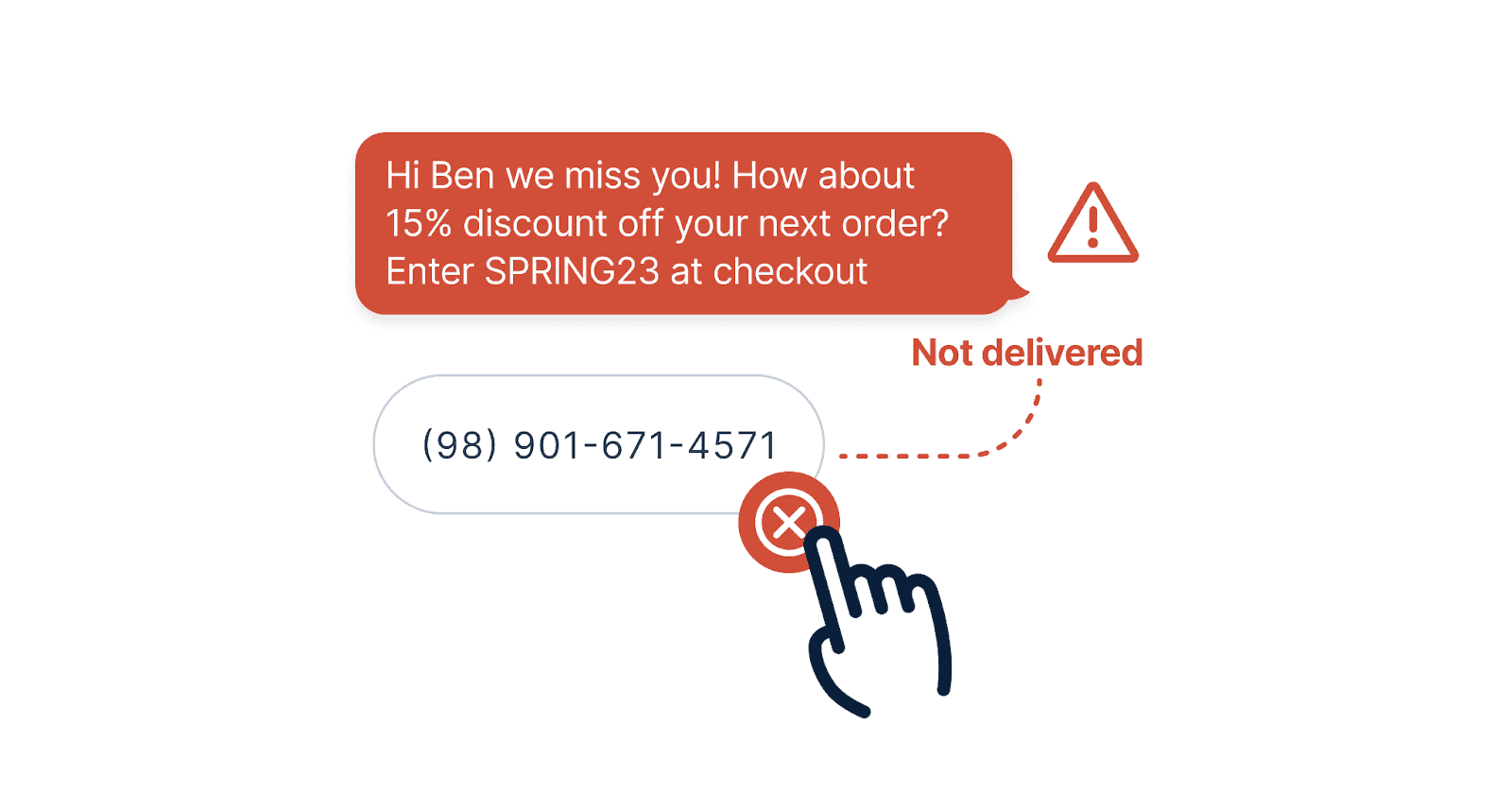
然而,您的业务仍在为向这些号码发送消息而付费。通过使用Bird Lookup验证您的联系人列表号码,这些浪费的钱可以立即节省下来。Lookup API进行家庭位置寄存器(HLR)查询以确认号码的准确性,并清理相关的联系人信息,例如号码的提供商。
一旦号码被审核,Lookup允许您从联系人列表中删除无效号码,从而减少无法传递的消息数量,并保护您免受最常见的SMS欺诈形式之一。
5. 在规划活动时考虑国际定价差异
发送单条SMS消息的费用在各国之间差异很大。本地定价惯例和其他国家特定变量可能导致这些成本的显著差异,这可能会影响您能够定位的消费者数量。
除了国际消息的基础成本外,某些国家还有可能影响您SMS活动价值的限制。例如,某些国家不允许您发送带有链接的信息,这可能对某些业务来说是一个令人沮丧的限制。
将更多预算转向低成本国际受众可以帮助您增加总覆盖范围,减少整体SMS支出,或同时实现这两个目标。
在进行这些更改后的第一年,您的业务可能会显著减少不必要的通信支出。更好的是,升级后的SMS策略可以提升您的信息传递性能,并增强您从这些活动中创造收入和其他价值的能力。
以下是快速简单的五个步骤以便开始:
1. 寻找一个有透明定价且不对SMS加价的供应商
了解SMS消息的真实成本可能具有挑战性。
其成本包括运营商费用、电话号码费用、营销自动化软件费用、CDP成本、入网SMS费用等。许多供应商通过在这些组成部分上加价来模糊其定价模式。这些加价可能会变得相当可观,特别是当您的发送量或数据库规模增加时。Bird采用不同的方法,提供透明的定价,没有SMS加价和隐藏费用。
这意味着在像美国这样的市场中可以节省高达90%的费用,并将整体拥有成本降低约50%。
2. 转向直连运营商的SMS提供商
不要通过模糊不清的批发聚合商网络来传递您的信息活动,寻找一个在您希望接触的市场中提供与运营商和网络运营商直接连接的SMS服务提供商。
这些直连运营商关系改善了信息的透明性、速度和安全性,并提供了关于可交付性和合规性更可靠的保证。与直连运营商提供商合作,您将确切知道您支付的费用以及这些支出如何转化为投资回报率。
寻找一个直连运营商的提供商,他们可以开放积极地谈论他们的网络、交付率及其推动转化的能力。确保他们服务的地理区域与您的业务希望接触的全球受众相一致。
3. 使用一个消息传递平台为您的受众创建定制的全渠道活动。
SMS消息可以成为公司通信策略的有价值支柱。但这并不是实现这些通信目标的唯一方式。最大化信息投资回报率的最佳方法是将您的SMS活动迁移到可以将其整合到以对话式营销为中心的大型参与策略的平台上。
像SMS、电子邮件营销、WhatsApp和Messenger这样的通信渠道可以通过在集中平台中共享客户数据、工具和其他资源来互相增加价值。设置这种集中的方法很简单:Bird的API和CRM可以在数小时内设置,并且与Salesforce和Zendesk等工具的集成可以立即提升您的SMS活动质量。
一旦决定进行切换,您的业务可以在几天内启动并运行新平台。
4. 使用HLR查询来清理和细分您的联系人列表
号码在您的联系人列表中存储的时间越长,它成为无效的可能性就越大。客户更换电话号码。在某些情况下,您列表中的号码可能一开始就无效——这是由于输入错误,或是客户故意在表单字段中添加了假号码。
然而,您的业务仍在为向这些号码发送消息而付费。通过使用Bird Lookup验证您的联系人列表号码,这些浪费的钱可以立即节省下来。Lookup API进行家庭位置寄存器(HLR)查询以确认号码的准确性,并清理相关的联系人信息,例如号码的提供商。
一旦号码被审核,Lookup允许您从联系人列表中删除无效号码,从而减少无法传递的消息数量,并保护您免受最常见的SMS欺诈形式之一。
5. 在规划活动时考虑国际定价差异
发送单条SMS消息的费用在各国之间差异很大。本地定价惯例和其他国家特定变量可能导致这些成本的显著差异,这可能会影响您能够定位的消费者数量。
除了国际消息的基础成本外,某些国家还有可能影响您SMS活动价值的限制。例如,某些国家不允许您发送带有链接的信息,这可能对某些业务来说是一个令人沮丧的限制。
将更多预算转向低成本国际受众可以帮助您增加总覆盖范围,减少整体SMS支出,或同时实现这两个目标。
打造完美(且经济实惠)信息的3个策略
打造完美(且经济实惠)信息的3个策略
您已经掌握了一些降低发送SMS短信成本的小技巧。
现在是时候讨论一些方法,可以减少创建这些信息的资源成本,同时也提高其影响和投资回报率。
以下是实现SMS活动更好效果的三步骤:
1. 保持SMS信息简洁明了
SMS消息的最长长度是160个字符。超过这个长度,您的信息将被拆分成两条,发送成本将加倍。
我们始终建议将信息控制在160字符以内。但如果您能缩短信息长度,您可能会在响应率和/或点击率方面看到性能提升。更短、更简洁的信息使您的信息更有可能被完整阅读,包括其CTA。

2. 采用工具型方法提高信息发送效率
简单的数字工具可以提高信息发送的性能,并允许您在一条SMS中完成更多工作。
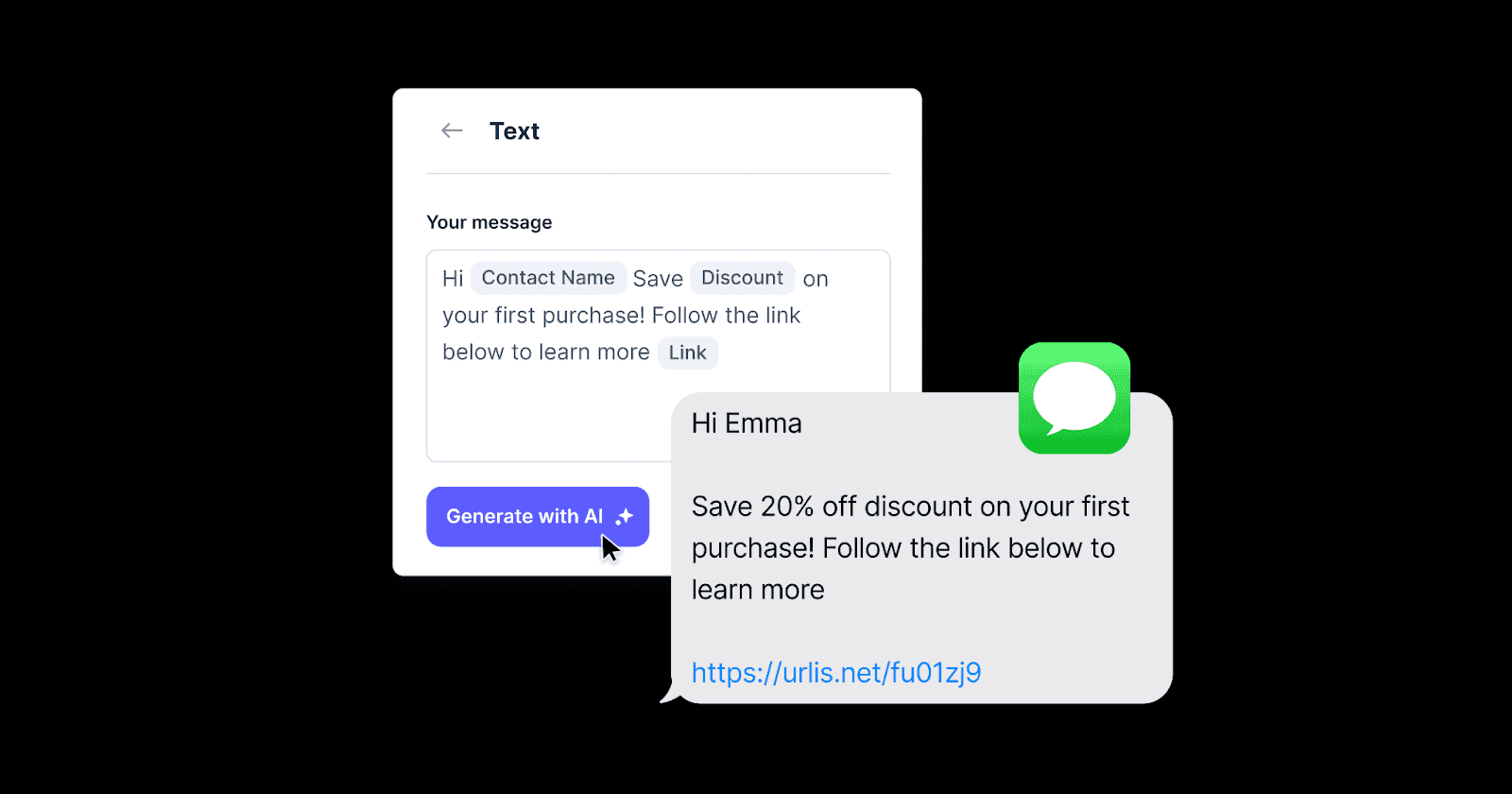
一个完美的例子?URL短链接。这种缩写代码最小化了超文本URL的长度,帮助您的信息控制在160字符限制以内。品牌化的URL短链接也可以提高品牌SMS体验的一致性。
其他工具可以扩展通过SMS支持的服务。例如,Bird的平台可以使用SMS信息来处理客户服务问题,具有自动信息发送功能,并能将对话升级为与现场代理进行沟通。自动信息触发器可以吸引那些最近放弃虚拟购物车的客户,扩大SMS的实用性,同时不增加员工的工作负担。
3. 调整发送时间以实现最佳互动
根据您的受众研究和此前活动的表现,针对受众一天中最有效的时段发送信息,以最大化信息的打开率和参与度。
在安排这些信息时请记得考虑时区。一些国家也有规定,限制发信息的时间:例如,如果您在法国的周日晚间发送信息,您将会激怒一些客户,同时违反当地监管机构的规定。
您已经掌握了一些降低发送SMS短信成本的小技巧。
现在是时候讨论一些方法,可以减少创建这些信息的资源成本,同时也提高其影响和投资回报率。
以下是实现SMS活动更好效果的三步骤:
1. 保持SMS信息简洁明了
SMS消息的最长长度是160个字符。超过这个长度,您的信息将被拆分成两条,发送成本将加倍。
我们始终建议将信息控制在160字符以内。但如果您能缩短信息长度,您可能会在响应率和/或点击率方面看到性能提升。更短、更简洁的信息使您的信息更有可能被完整阅读,包括其CTA。
2. 采用工具型方法提高信息发送效率
简单的数字工具可以提高信息发送的性能,并允许您在一条SMS中完成更多工作。
一个完美的例子?URL短链接。这种缩写代码最小化了超文本URL的长度,帮助您的信息控制在160字符限制以内。品牌化的URL短链接也可以提高品牌SMS体验的一致性。
其他工具可以扩展通过SMS支持的服务。例如,Bird的平台可以使用SMS信息来处理客户服务问题,具有自动信息发送功能,并能将对话升级为与现场代理进行沟通。自动信息触发器可以吸引那些最近放弃虚拟购物车的客户,扩大SMS的实用性,同时不增加员工的工作负担。
3. 调整发送时间以实现最佳互动
根据您的受众研究和此前活动的表现,针对受众一天中最有效的时段发送信息,以最大化信息的打开率和参与度。
在安排这些信息时请记得考虑时区。一些国家也有规定,限制发信息的时间:例如,如果您在法国的周日晚间发送信息,您将会激怒一些客户,同时违反当地监管机构的规定。
通过Bird投资SMS成功
通过Bird投资SMS成功
优化 SMS 支出不是一次性的项目。
联系人列表必须定期清理。活动表现报告应为受众定位和消息内容提供信息。国际信息传递必须根据您的消息目标和投资回报率重新校准。
但您不必自己做这项工作。Bird 将为您完成繁重的工作,实现节约成本的效率,为您的企业省钱,同时从 SMS 活动中榨取更多价值。
是时候用更少的资源做更多的事情了。