

Everything
" height="27.999681976325213px" id="C3kNml3JT" width="27.03225029126439px"/></svg>)
does
for marketing. Without paying for sales and service.
Everything
does
for marketing. Without paying for sales and service.
Bird delivers customer engagement with native multi-channel messaging—no business suite complexity, no premium channel fees.



Everything
does
for marketing. Without paying for sales and service.
Everything
does
for marketing. Without paying for sales and service.
Bird delivers customer engagement with native multi-channel messaging—no business suite complexity, no premium channel fees.
Everything
does
for marketing. Without paying for sales and service.
Everything
does
for marketing. Without paying for sales and service.
Bird delivers customer engagement with native multi-channel messaging—no business suite complexity, no premium channel fees.
Where we differ
The difference shows up in three places.
Your focus
HubSpot forces its full suite, even if you only need marketing. Bird focuses on customer engagement across email, SMS, WhatsApp, push, and in-app.
Your channels
HubSpot charges premium for SMS and excludes WhatsApp. Bird includes all channels—SMS at carrier rates, WhatsApp Business API—no extra fees.
Your costs
HubSpot starts at $890/month, adds premium SMS, and limits features to Enterprise. Bird includes all marketing tools at transparent pricing.
Where we differ
The difference shows up in three places.
Your focus
HubSpot forces its full suite, even if you only need marketing. Bird focuses on customer engagement across email, SMS, WhatsApp, push, and in-app.
Your channels
HubSpot charges premium for SMS and excludes WhatsApp. Bird includes all channels—SMS at carrier rates, WhatsApp Business API—no extra fees.
Your costs
HubSpot starts at $890/month, adds premium SMS, and limits features to Enterprise. Bird includes all marketing tools at transparent pricing.
Where we differ
The difference shows up in three places.
Your focus
HubSpot forces its full suite, even if you only need marketing. Bird focuses on customer engagement across email, SMS, WhatsApp, push, and in-app.
Your channels
HubSpot charges premium for SMS and excludes WhatsApp. Bird includes all channels—SMS at carrier rates, WhatsApp Business API—no extra fees.
Your costs
HubSpot starts at $890/month, adds premium SMS, and limits features to Enterprise. Bird includes all marketing tools at transparent pricing.
The business suite you didn't ask for
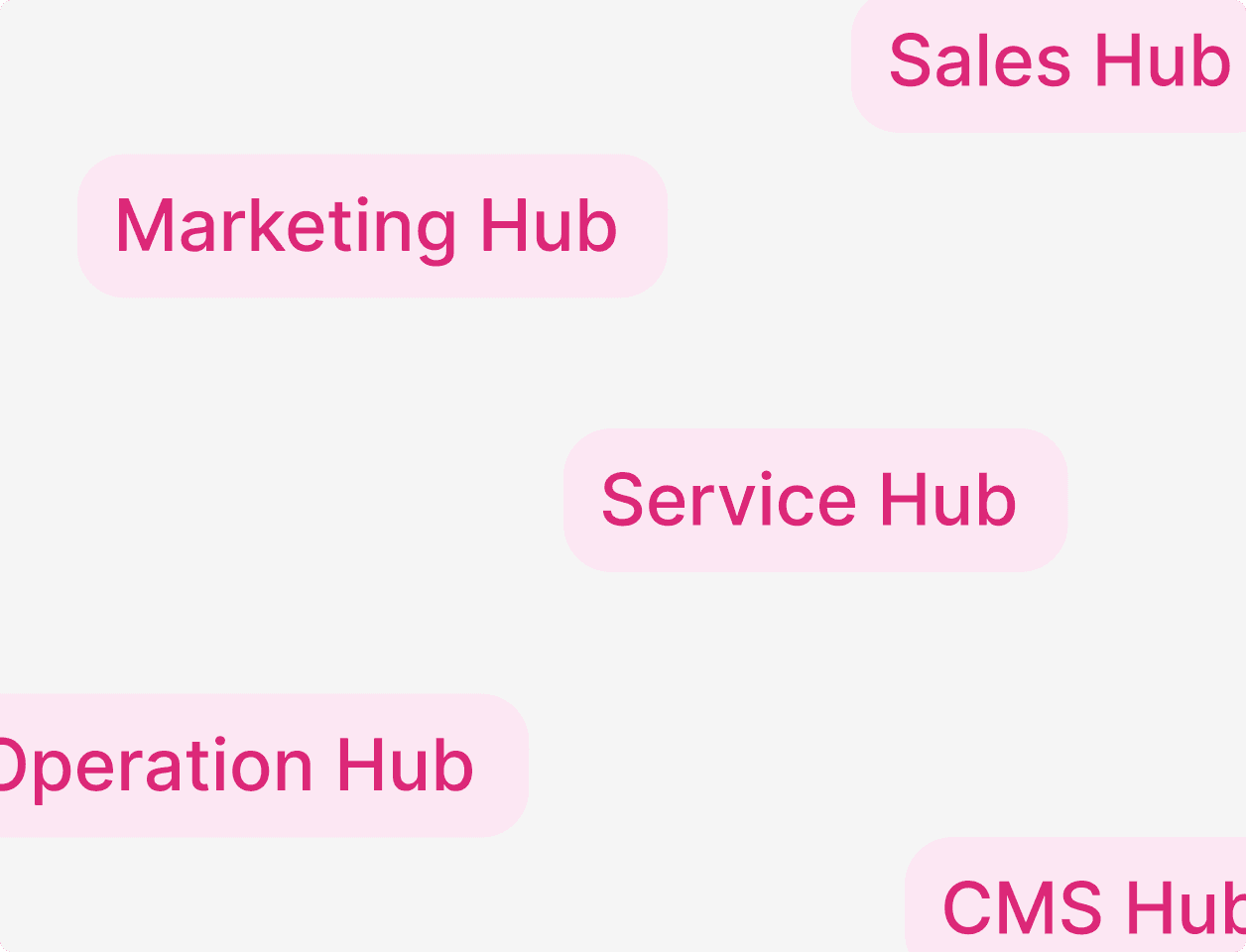
HubSpot forces you to adopt a full business suite even when you only need marketing. Complex multi-hub navigation, features split across products, and pricing that assumes you'll buy Sales Hub and Service Hub too.
The business suite you didn't ask for
HubSpot forces you to adopt a full business suite even when you only need marketing. Complex multi-hub navigation, features split across products, and pricing that assumes you'll buy Sales Hub and Service Hub too.
Premium channel fees
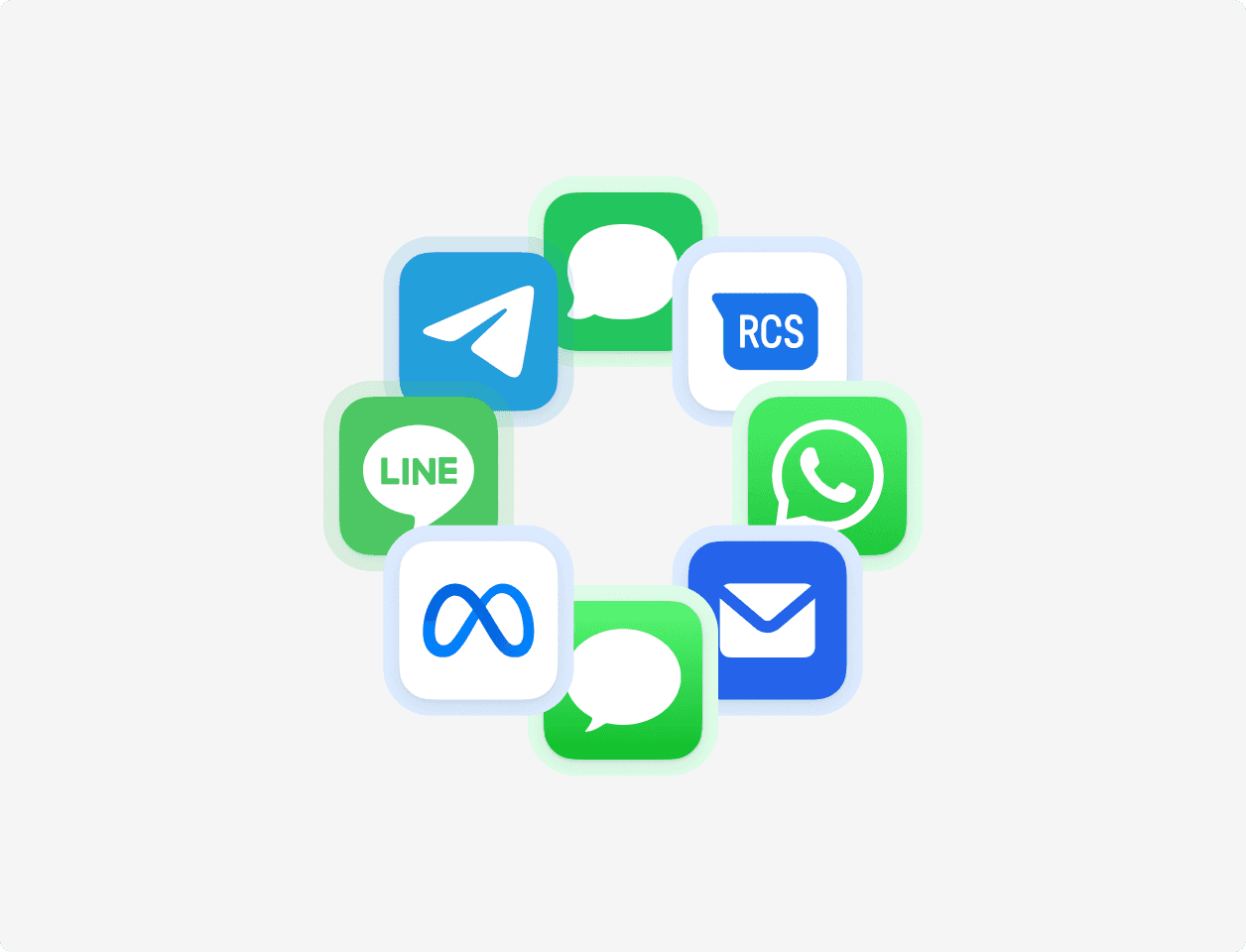
Email is included. SMS? Premium pricing. WhatsApp Business API? Not available. HubSpot built an email platform and bolted on other channels as expensive add-ons.
Premium channel fees
Email is included. SMS? Premium pricing. WhatsApp Business API? Not available. HubSpot built an email platform and bolted on other channels as expensive add-ons.
Feature gating behind expensive tiers
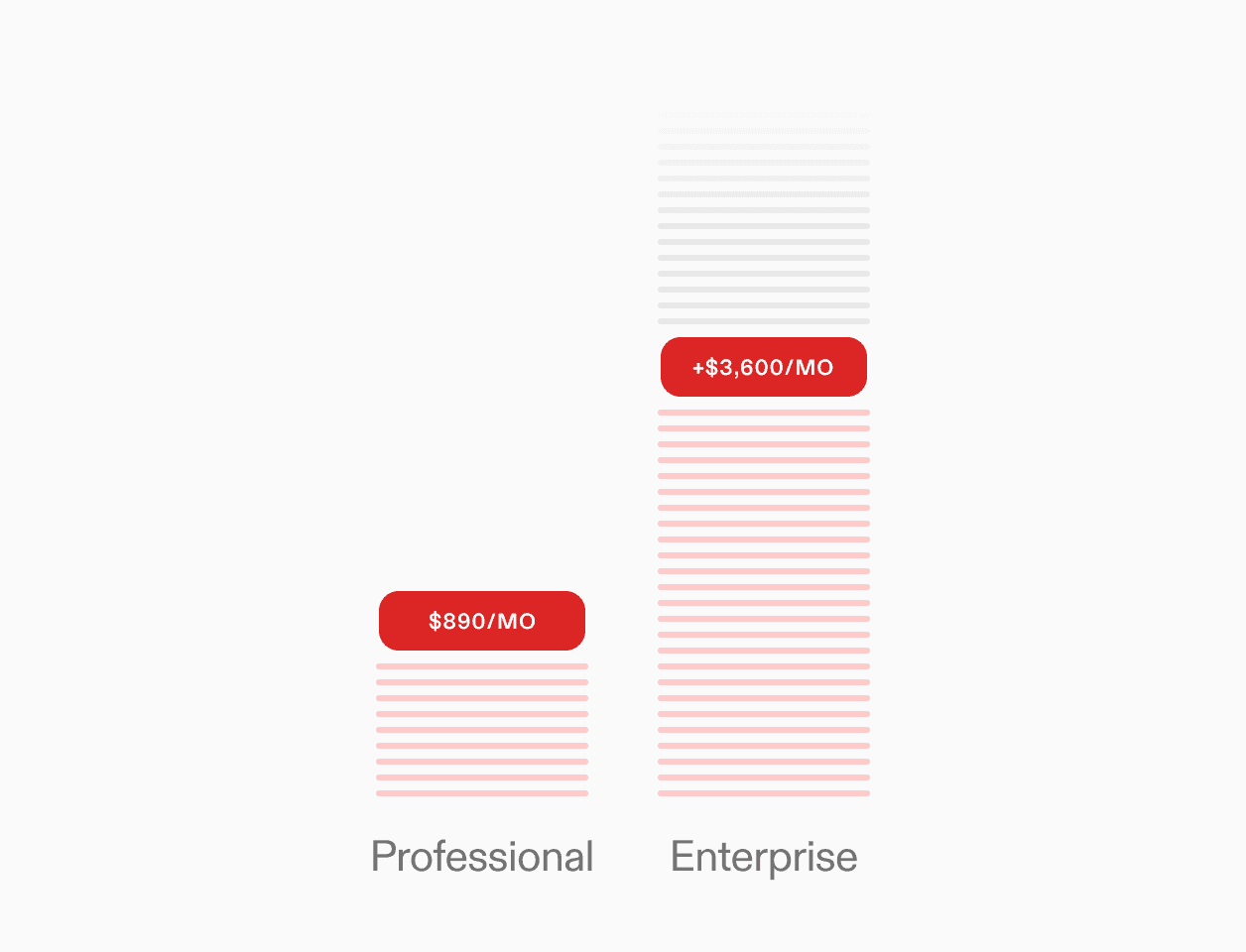
Advanced automation? Professional tier ($890/month). Custom reporting? Enterprise ($3,600+/month). The features marketing teams need are locked behind premium tiers.
Feature gating behind expensive tiers
Advanced automation? Professional tier ($890/month). Custom reporting? Enterprise ($3,600+/month). The features marketing teams need are locked behind premium tiers.
Limited global reach
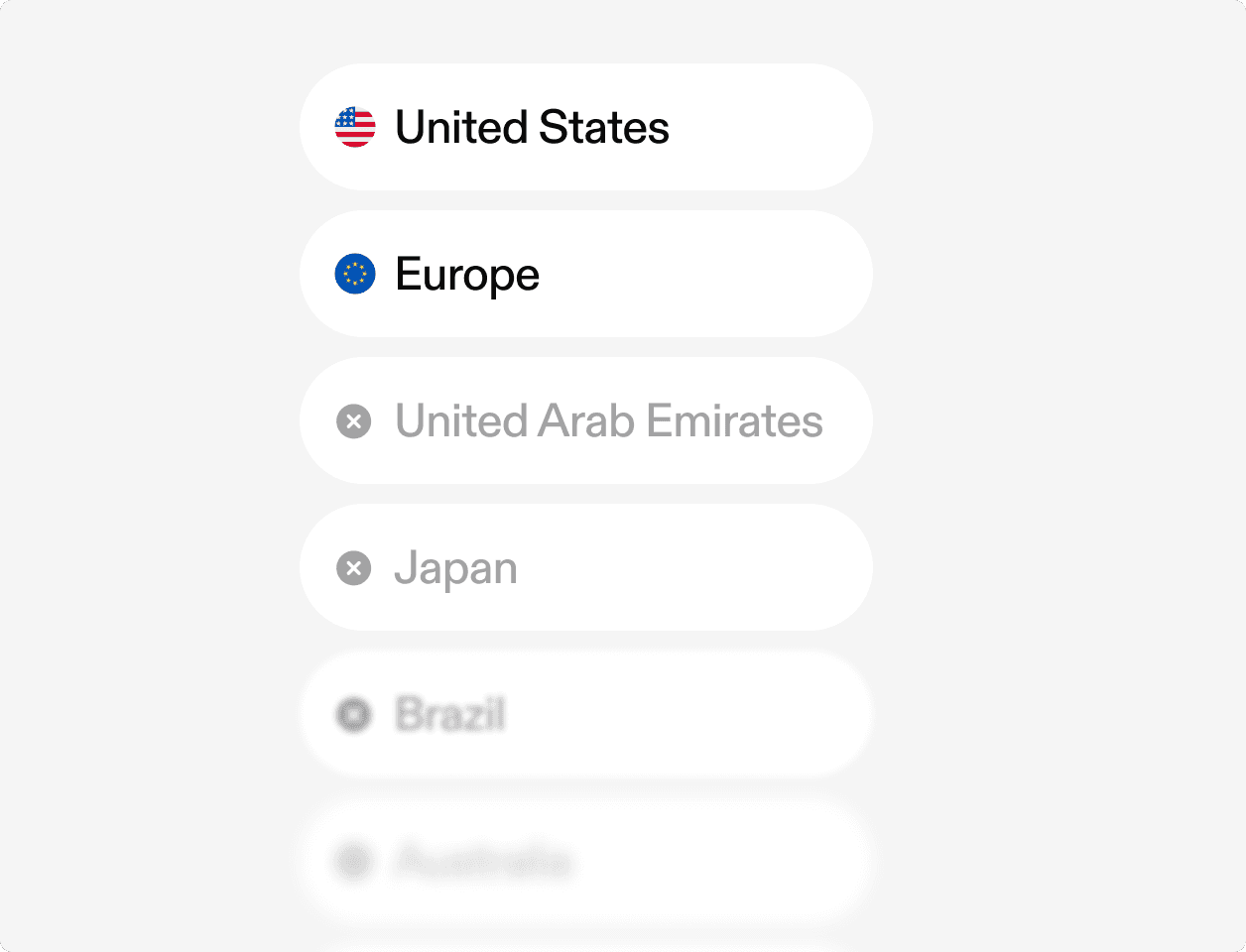
HubSpot is designed for US and European markets. International SMS is limited and expensive. No WhatsApp means you can't reach customers in markets where WhatsApp is the primary channel.
Limited global reach
HubSpot is designed for US and European markets. International SMS is limited and expensive. No WhatsApp means you can't reach customers in markets where WhatsApp is the primary channel.
Bird goes where HubSpot can't
We built Bird for marketing teams who need customer engagement without sales pipelines and service tickets.
Single platform for customer engagement
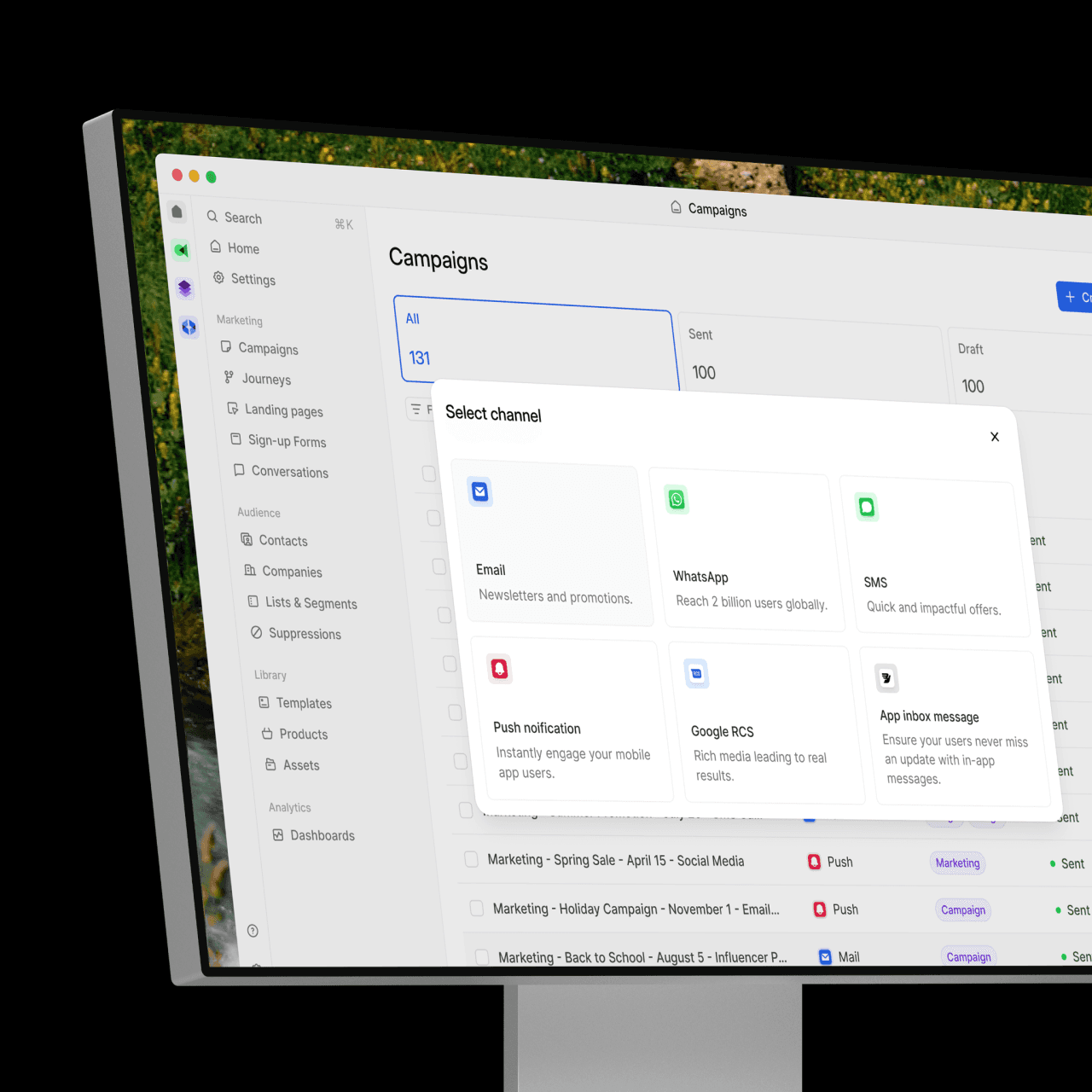
HubSpot requires navigating between Marketing Hub, Sales Hub, and CRM. Bird is a single platform focused on customer engagement.
Launch campaigns faster without cross-functional complexity
Manage marketing operations without CRM overhead
Features built for marketers, not compromised for sales teams
No paying for Sales Hub and Service Hub you won't use
Bird goes where HubSpot can't
We built Bird for marketing teams who need customer engagement without sales pipelines and service tickets.
Single platform for customer engagement
HubSpot requires navigating between Marketing Hub, Sales Hub, and CRM. Bird is a single platform focused on customer engagement.
Launch campaigns faster without cross-functional complexity
Manage marketing operations without CRM overhead
Features built for marketers, not compromised for sales teams
No paying for Sales Hub and Service Hub you won't use
Bird goes where HubSpot can't
We built Bird for marketing teams who need customer engagement without sales pipelines and service tickets.
Single platform for customer engagement
HubSpot requires navigating between Marketing Hub, Sales Hub, and CRM. Bird is a single platform focused on customer engagement.
Launch campaigns faster without cross-functional complexity
Manage marketing operations without CRM overhead
Features built for marketers, not compromised for sales teams
No paying for Sales Hub and Service Hub you won't use
Switching is easy.
The biggest objection we hear: "Migration sounds painful." It's not—if you have a team that's done it 100+ times.
WEEK 1
Technical setup, data migration, and validation
WEEK 2
Simultaneously executing and evaluating tests
WEEK 3
Full cutover (or continue parallel as long as needed)
Switching is easy.
The biggest objection we hear: "Migration sounds painful." It's not—if you have a team that's done it 100+ times.
WEEK 1
Technical setup, data migration, and validation
WEEK 2
Simultaneously executing and evaluating tests
WEEK 3
Full cutover (or continue parallel as long as needed)
Switching is easy.
The biggest objection we hear: "Migration sounds painful." It's not—if you have a team that's done it 100+ times.
WEEK 1
Technical setup, data migration, and validation
WEEK 2
Simultaneously executing and evaluating tests
WEEK 3
Full cutover (or continue parallel as long as needed)
Where Bird matches Hubspot
Bird
Hubspot
Email Marketing & Automation
Advanced campaigns, A/B testing
Strong email capabilities
Journey Automation
Visual, multichannel builder
Workflow builder (email-focused)
Segmentation
Advanced behavioral segments
List and contact segmentation
Analytics & Reporting
Campaign and journey analytics
Marketing analytics dashboard
Contact Management
Customer profiles with CDP
CRM contact database
Platform Integrations
80+ marketing-focused connectors
1000+ business integrations
Where Bird goes beyond Hubspot
Bird
Hubspot
Purpose-built for marketing
Single focus on customer engagement
Multi-hub suite with sales/service
SMS pricing
Carrier rates, no markup
Premium SMS fees
WhatsApp Business API
Native, conversational
Not available at any tier
Push & In-App Notifications
Cross-platform, native
Basic capabilities
Owned Email Infrastructure
Full stack control, high deliverability
Third-party infrastructure
Multichannel Journeys
Unified workflows across all channels
Email-first with limited SMS
Built-in CDP
Included with custom objects, events
Requires operations hub add-on ($720+/mo)
Global SMS Reach
150+ countries, carrier rates, no markups
Limited coverage, premium pricing
Transparent Pricing
All features included
Feature-gated by tier (Pro/Enterprise)
Advanced Features Cost
Included in base platform
Locked behind Enterprise tier ($3,600+/mo)
Setup Complexity
Marketing-focused, intuitive
Complex multi-hub architecture
Where Bird matches Hubspot
Bird
Hubspot
Email Marketing & Automation
Advanced campaigns, A/B testing
Strong email capabilities
Journey Automation
Visual, multichannel builder
Workflow builder (email-focused)
Segmentation
Advanced behavioral segments
List and contact segmentation
Analytics & Reporting
Campaign and journey analytics
Marketing analytics dashboard
Contact Management
Customer profiles with CDP
CRM contact database
Platform Integrations
80+ marketing-focused connectors
1000+ business integrations
Where Bird goes beyond Hubspot
Bird
Hubspot
Purpose-built for marketing
Single focus on customer engagement
Multi-hub suite with sales/service
SMS pricing
Carrier rates, no markup
Premium SMS fees
WhatsApp Business API
Native, conversational
Not available at any tier
Push & In-App Notifications
Cross-platform, native
Basic capabilities
Owned Email Infrastructure
Full stack control, high deliverability
Third-party infrastructure
Multichannel Journeys
Unified workflows across all channels
Email-first with limited SMS
Built-in CDP
Included with custom objects, events
Requires operations hub add-on ($720+/mo)
Global SMS Reach
150+ countries, carrier rates, no markups
Limited coverage, premium pricing
Transparent Pricing
All features included
Feature-gated by tier (Pro/Enterprise)
Advanced Features Cost
Included in base platform
Locked behind Enterprise tier ($3,600+/mo)
Setup Complexity
Marketing-focused, intuitive
Complex multi-hub architecture
Where Bird matches Hubspot
Bird
Hubspot
Email Marketing & Automation
Advanced campaigns, A/B testing
Strong email capabilities
Journey Automation
Visual, multichannel builder
Workflow builder (email-focused)
Segmentation
Advanced behavioral segments
List and contact segmentation
Analytics & Reporting
Campaign and journey analytics
Marketing analytics dashboard
Contact Management
Customer profiles with CDP
CRM contact database
Platform Integrations
80+ marketing-focused connectors
1000+ business integrations
Where Bird goes beyond Hubspot
Bird
Hubspot
Purpose-built for marketing
Single focus on customer engagement
Multi-hub suite with sales/service
SMS pricing
Carrier rates, no markup
Premium SMS fees
WhatsApp Business API
Native, conversational
Not available at any tier
Push & In-App Notifications
Cross-platform, native
Basic capabilities
Owned Email Infrastructure
Full stack control, high deliverability
Third-party infrastructure
Multichannel Journeys
Unified workflows across all channels
Email-first with limited SMS
Built-in CDP
Included with custom objects, events
Requires operations hub add-on ($720+/mo)
Global SMS Reach
150+ countries, carrier rates, no markups
Limited coverage, premium pricing
Transparent Pricing
All features included
Feature-gated by tier (Pro/Enterprise)
Advanced Features Cost
Included in base platform
Locked behind Enterprise tier ($3,600+/mo)
Setup Complexity
Marketing-focused, intuitive
Complex multi-hub architecture
Trusted by the world's leading brands
Driving billions in revenue with intelligent campaigns.



Trusted by the world's leading brands
Driving billions in revenue with intelligent campaigns.
Trusted by the world's leading brands
Driving billions in revenue with intelligent campaigns.
Frequently asked questions.
Making the switch
How long does migration actually take?
Most teams are launching campaigns from Bird within 2-3 weeks. Complex HubSpot setups with extensive workflows might take 3-4 weeks.
Will we lose historical data?
Can we keep HubSpot CRM for sales while using Bird for marketing?
What happens to our HubSpot workflows?
What about our email templates and designs?
Can we run HubSpot and Bird in parallel?
Do we need to rebuild our forms and landing pages?
What if we're locked into a HubSpot contract?
Frequently asked questions.
Making the switch
How long does migration actually take?
Most teams are launching campaigns from Bird within 2-3 weeks. Complex HubSpot setups with extensive workflows might take 3-4 weeks.
Will we lose historical data?
Can we keep HubSpot CRM for sales while using Bird for marketing?
What happens to our HubSpot workflows?
What about our email templates and designs?
Can we run HubSpot and Bird in parallel?
Do we need to rebuild our forms and landing pages?
What if we're locked into a HubSpot contract?
Frequently asked questions.
Making the switch
How long does migration actually take?
Most teams are launching campaigns from Bird within 2-3 weeks. Complex HubSpot setups with extensive workflows might take 3-4 weeks.
Will we lose historical data?
Can we keep HubSpot CRM for sales while using Bird for marketing?
What happens to our HubSpot workflows?
What about our email templates and designs?
Can we run HubSpot and Bird in parallel?
Do we need to rebuild our forms and landing pages?
What if we're locked into a HubSpot contract?
Latest News
The latest updates, announcements and press resources.
Bird
vs.
Salesforce
See comparison
Bird
vs.
Klaviyo
See comparison
Bird
vs.
Hightouch
See comparison
Bird
vs.
Salesforce
See comparison
Bird
vs.
Klaviyo
See comparison
Bird
vs.
Hightouch
See comparison
Bird
vs.
Salesforce
See comparison
Bird
vs.
Klaviyo
See comparison
Bird
vs.
Hightouch
See comparison
Bird
vs.
Salesforce
See comparison
Bird
vs.
Klaviyo
See comparison
Bird
vs.
Hightouch
See comparison
Bird
vs.
Salesforce
See comparison
Bird
vs.
Klaviyo
See comparison
Bird
vs.
Hightouch
See comparison
Bird
vs.
Salesforce
See comparison
Bird
vs.
Klaviyo
See comparison
Bird
vs.
Hightouch
See comparison
Bird
vs.
Salesforce
See comparison
Bird
vs.
Klaviyo
See comparison
Bird
vs.
Hightouch
See comparison
Bird
vs.
Salesforce
See comparison
Bird
vs.
Klaviyo
See comparison
Bird
vs.
Hightouch
See comparison
Press Release
Bird responds to CM.com Supervisory Board statement on all-cash offer
Press Release
Bird - Daily Share Acquisition Disclosure CM.com
Press Release
Bird - Daily Share Acquisition of shares in CM.com

Press Release
Bird responds to CM.com Supervisory Board statement on all-cash offer
Press Release
Bird responds to CM.com Supervisory Board statement on all-cash offer

The complete AI-native platform that scales with your business.
© 2026 Bird
The complete AI-native platform that scales with your business.
© 2026 Bird
The complete AI-native platform that scales with your business.
© 2026 Bird